
In the United States, radio was coming of age in the late 1920s. In less than five years, radio had grown from a hobby for young enthusiasts to a mainstream medium. By 1929, nearly 80 percent of Americans listened to radio every day. But that same year a stock market collapse precipitated an economic depression that dramatically changed the country and altered the course of radio. As the country faced high unemployment and widespread poverty, people turned on their radios to find music, news, and radio dramas that helped ease their frustration and anxiety.
Then, during the presidential campaign of 1932—at the depths of the Great Depression—a candidate emerged who understood the potential of radio as a political tool. In radio addresses and campaign speeches, Franklin Delano Roosevelt used broadcast technology to reach millions of people in a way that no other politician had ever done. His distinctive manner, unwavering confidence, and easily recognizable voice contributed to his victory in the election. He also had the advantage of a Shure carbon microphone, which was introduced in 1932. Mr. Roosevelt, known simply as FDR, relied on this new, lightweight, technologically advanced microphone to carry his voice with greater clarity than any other product available.
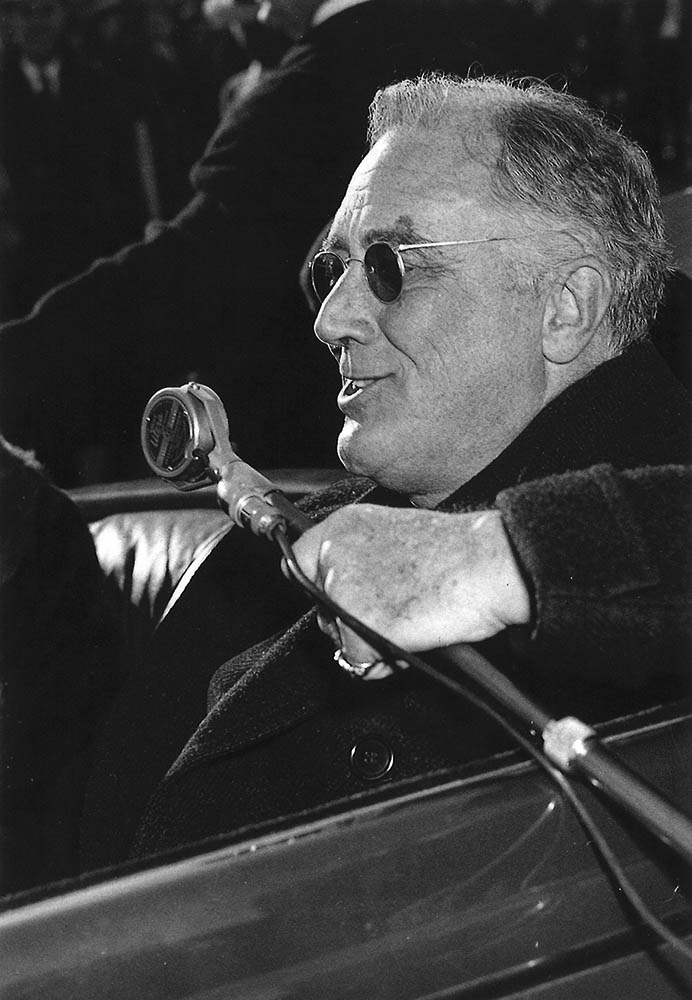
For President Roosevelt’s inaugural address, broadcast on March 4, 1933, millions tuned in to hear a stirring speech that outlined the challenges ahead and rallied the country to band together. In one of his most famous pronouncements at the depths of the Depression, President Roosevelt declared: “The only thing we have to fear is fear itself.”
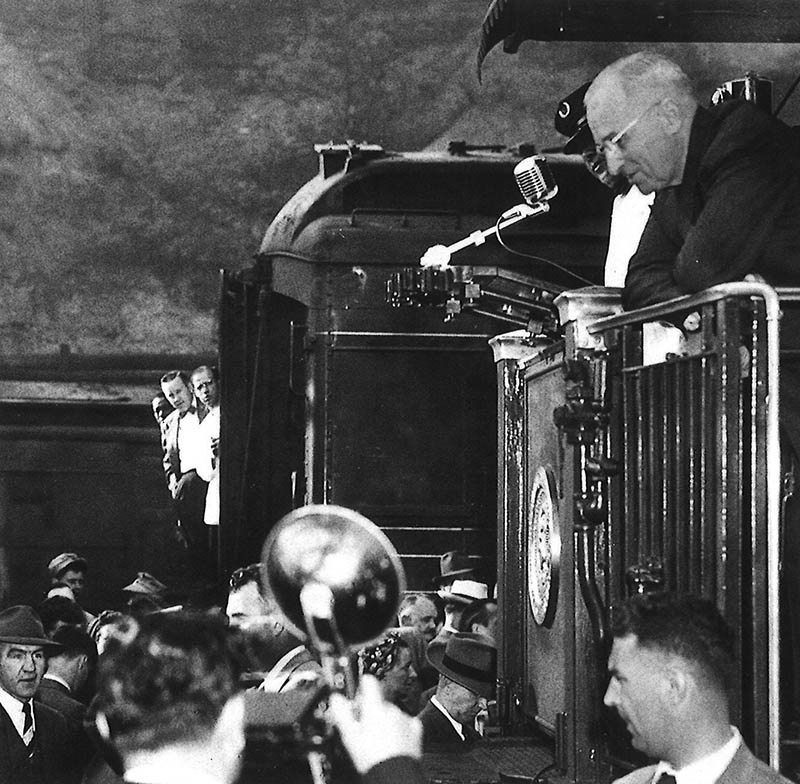
During his 12 years in office, FDR used radio to speak directly to Americans, giving them a feeling that they were more connected to their leader and more involved in the governing process. His informal “fireside chats,” broadcast over the radio using a Shure two-button carbon microphone, drew millions of listeners. The first “chat” aired on March 12, 1933, and was heard by an estimated 60 million people—more than half the population of the country. The public reaction was overwhelmingly positive. A Brooklyn man wrote: “I felt that he had walked into my home, sat down, and in plain and forceful language explained to me how he was tackling the job that I and my fellow citizens gave him.”
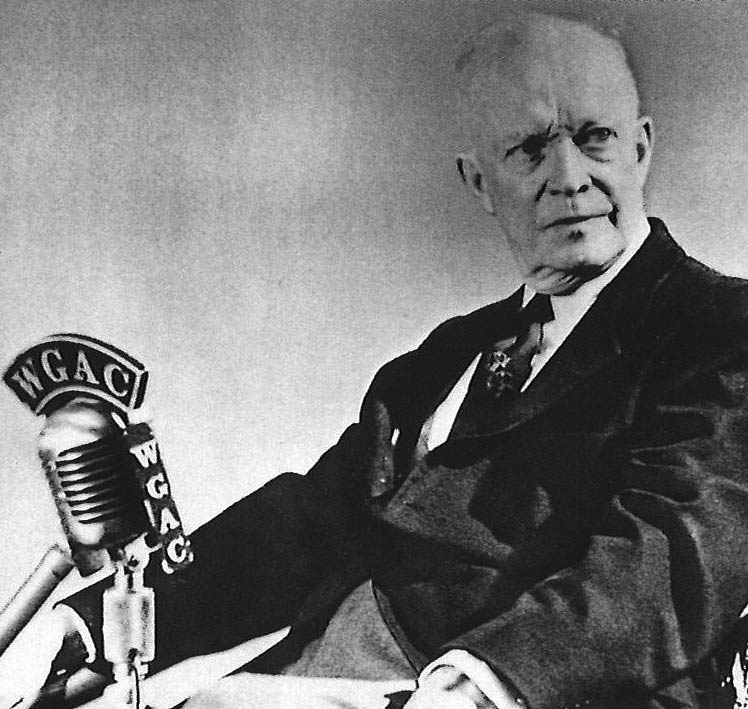
Within a few months of taking office, President Roosevelt unveiled a number of “New Deal” programs designed to pull the economy out of the Depression, and he continued to use radio to communicate his agenda, rally support, and report on progress.
Under FDR’s leadership, the United States started to recover. Along with many other changes, radio emerged as a political force, and Shure established itself as one of the most important microphone companies in the world.
