
It was one of the most tragic events in American history—the assassination of President John F. Kennedy on November 22, 1963, in Dallas, Texas. As the news swept the world, people turned to television for live coverage of the developments. It was the first time that an occurrence of this magnitude was covered by television. The impact of the coverage demonstrated the enormous power of the medium to let people see events as they were happening.
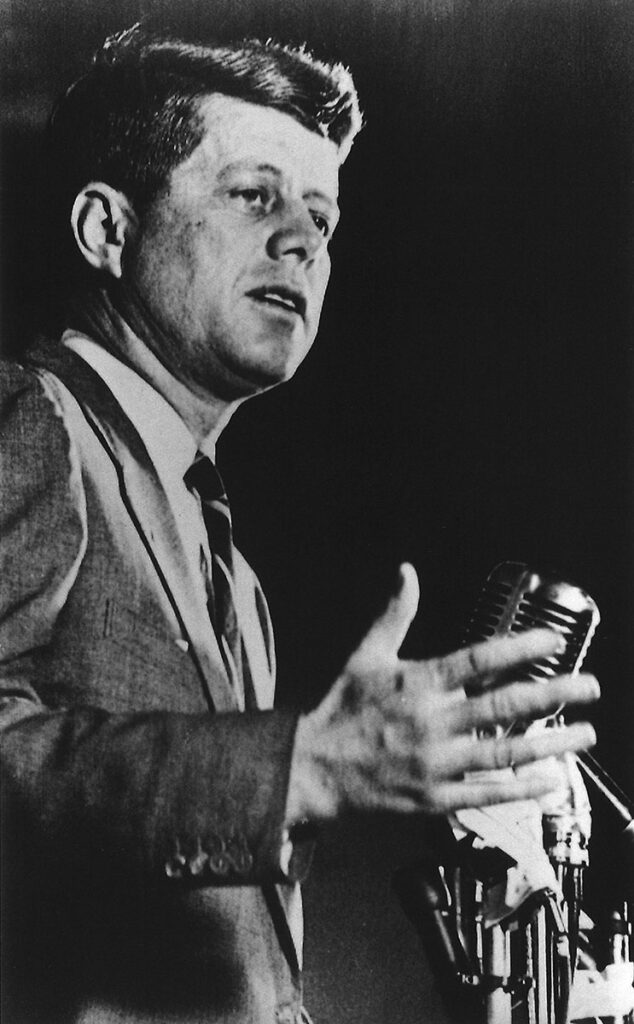
As President Kennedy’s body was transferred to Air Force One (the President’s plane) for the flight back to Washington, D.C., Federal District Judge Sarah T. Hughes administered the presidential oath to a somber Vice President Lyndon B. Johnson in the plane’s cramped quarters. The White House communications staff used Shure microphones to record the event.
On that day, President Johnson became the 36th President of the United States and the fourth Vice President to be thrust into the nation’s top office by the assassination of his predecessor. The new President’s first message to the nation, televised the evening of that fateful day on his arrival at Andrews Air Force Base, was brief: “I will do my best. That is all I can do. I ask for your help, and God’s.”
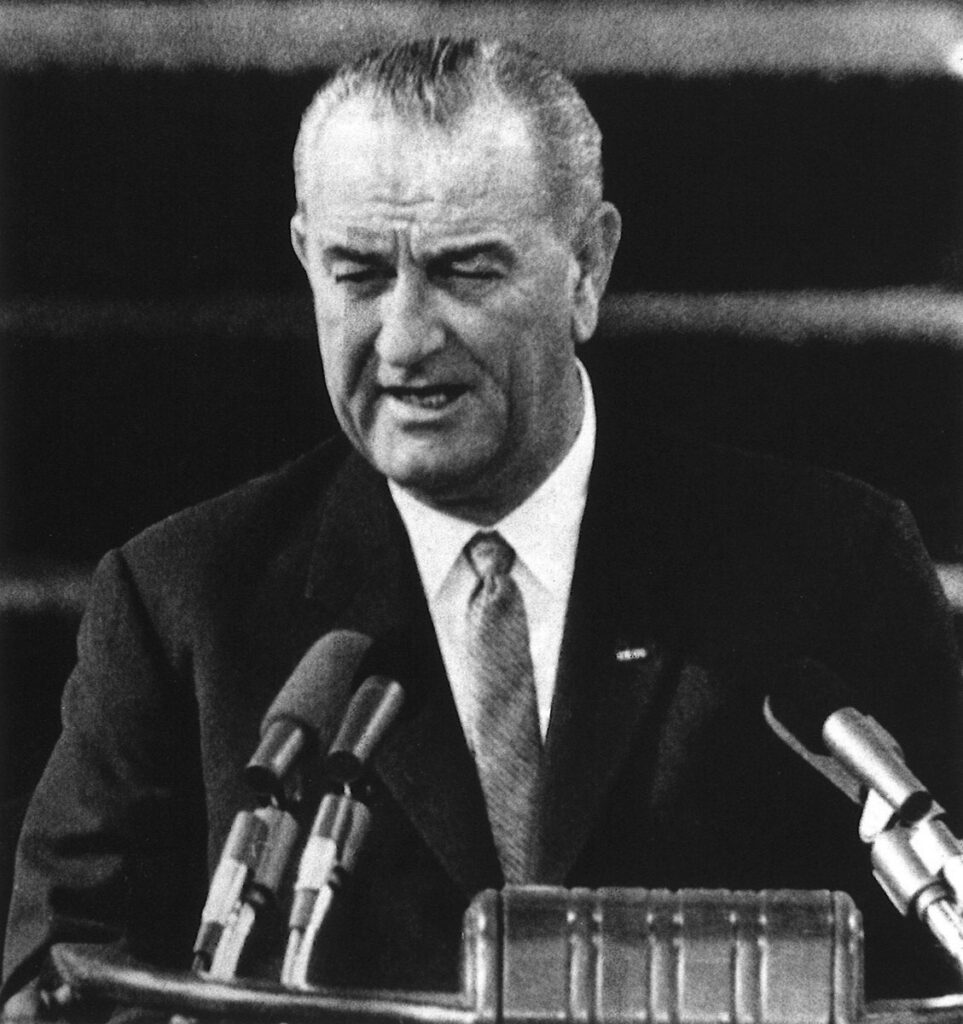
At the inauguration of President Johnson on January 20, 1965, following his November 1964 election, Shure microphones had the distinction of carrying the sounds of the event to people around the world. From the rostrum in the Capitol Plaza, where President Johnson and Vice President Hubert H. Humphrey took their respective oaths of office, four Shure Unidyne III Microphones captured the event for radio, television, and an extensive public address system.
At the ceremony, the renowned Mormon Tabernacle Choir was featured, and Unidynes were also used for their performance. Fifteen to 20 microphones were placed throughout the Choir, sending the strong, soaring voices to the audience in the plaza and to radio and television listeners across the country.
