March 15, 2026, marks the 60th anniversary of the Unidyne III U.S. patent issuance. To honor this milestone, today’s Tech Tip explains how Shure Brothers Company became interested in moving coil microphone technology.
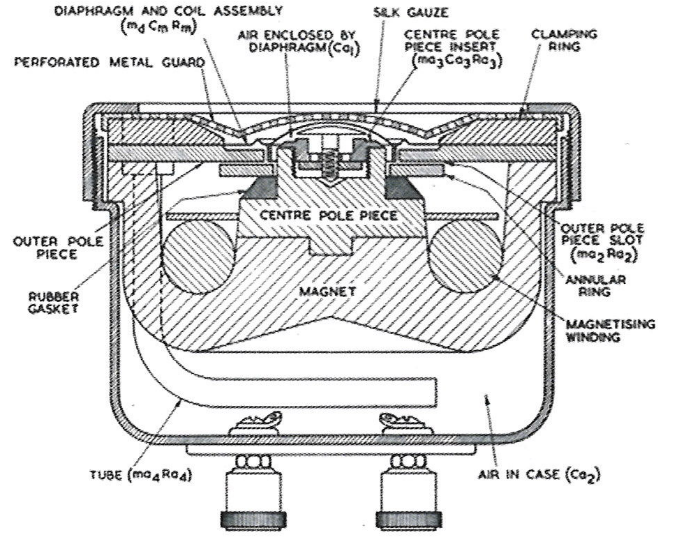
The Western Electric model 618 is considered the first professional moving coil dynamic microphone. Introduced in 1931, it became feasible as advancements in material science brought about smaller and more powerful permanent magnets. Unlike a condenser mic or a carbon mic, the 618 does not require an external power supply.
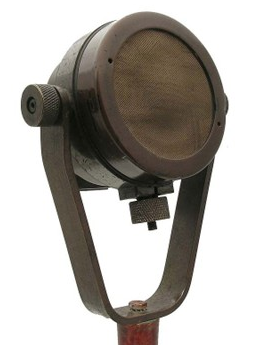
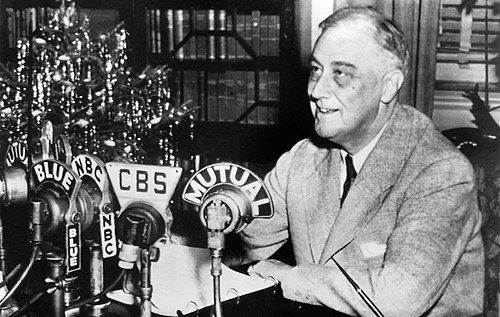
The audio quality of the 618 was excellent. Dependable, relatively light in weight, and only 3.5 inches in diameter, it was quickly adopted by radio broadcast engineers for location and studio use. U.S. The 618 was one the mics frequently used by President Franklin Roosevelt for his nationwide “fireside chats.”
The UK version of the 618 was the STC 4017; Standard Telephone & Cable [STC] being the English branch of Western Electric. The BBC relied on this mic for more than two decades, including using it with a parabolic reflector mounted on top of a recording truck to pick up distant sound.
The model 618 was quite durable with many units still functioning today. It did have an Achilles heel – the cable connector easily fell off. Eventually, a variation was introduced with three binding post terminals onto which the cable would be secured.
In 1935, Western Electric followed up the 618 with its model 630 “Eight-Ball” microphone. Priced at a steep $70 ($1,700 in 2026 currency), it retained the audio quality of the 618 but was lighter in weight and smaller with a 2.5-inch diameter. The screened disc reportedly let all frequencies evenly reach the capsule when the mic was positioned vertically, providing a uniform omnidirectional pickup pattern. A different disc could be attached which altered the pattern to “semi-directional.”
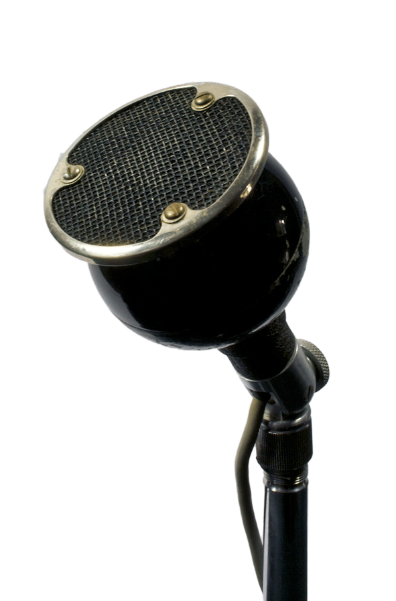
The English version, model STC 4021, was nicknamed “the apple and biscuit,” as it looked like an apple with a biscuit (cookie) balanced on top. Rugged enough for outdoors, these mics were hidden in flower beds and bushes for the early British television program, “Better Homes and Gardens.”
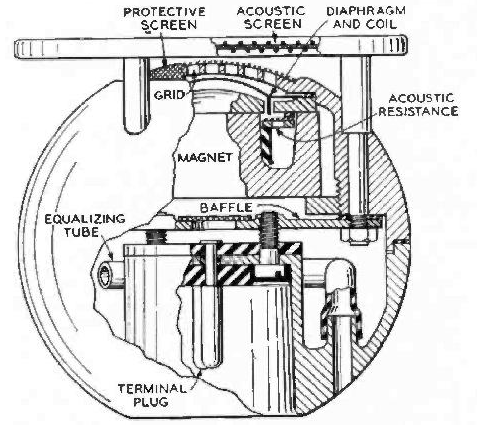
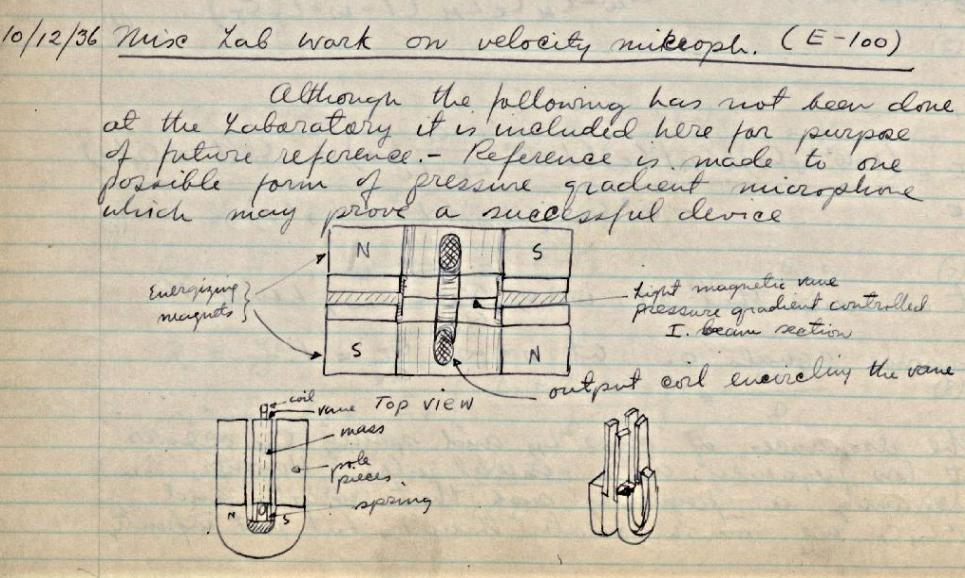
How did these two Western Electric mics inspire Shure? In the mid-1930s, Shure offered carbon mics that required a DC power source, condenser mics that needed a high voltage power supply, and crystal mics that were adversely affected by high humidity plus faced stiff competition from the Astatic Microphone Company. S.N. Shure and his small microphone development team actively sought a new type of transducer that would provide a competitive advantage. The Western Electric 618 and 630 models were acquired and analyzed. Engineer Ben Bauer became convinced that the dynamic transducer, moving coil or moving ribbon, was the future of microphones. Below is his first lab notebook entry for this research. Bauer was only 23 at the time.
Related information: Sylvia Massy demonstrates the Western Electric 618
Western Electric vintage publications
Your author thanks friend and colleague Marco van der Hoeven for historical material and diagrams used in this Tech Tip.
Arcana – mysterious or specialized knowledge
The Unidyne III patent number is 3,240,883.
***
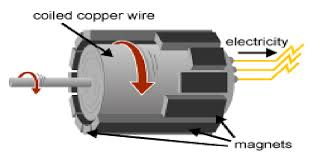
The term dynamic microphone is derived from the word dynamo, i.e., a machine for converting mechanical energy into electrical energy, a generator. A typical dynamo for creating an electric current employs a wire coil and a permanent magnet, as does a moving coil dynamic microphone.
***
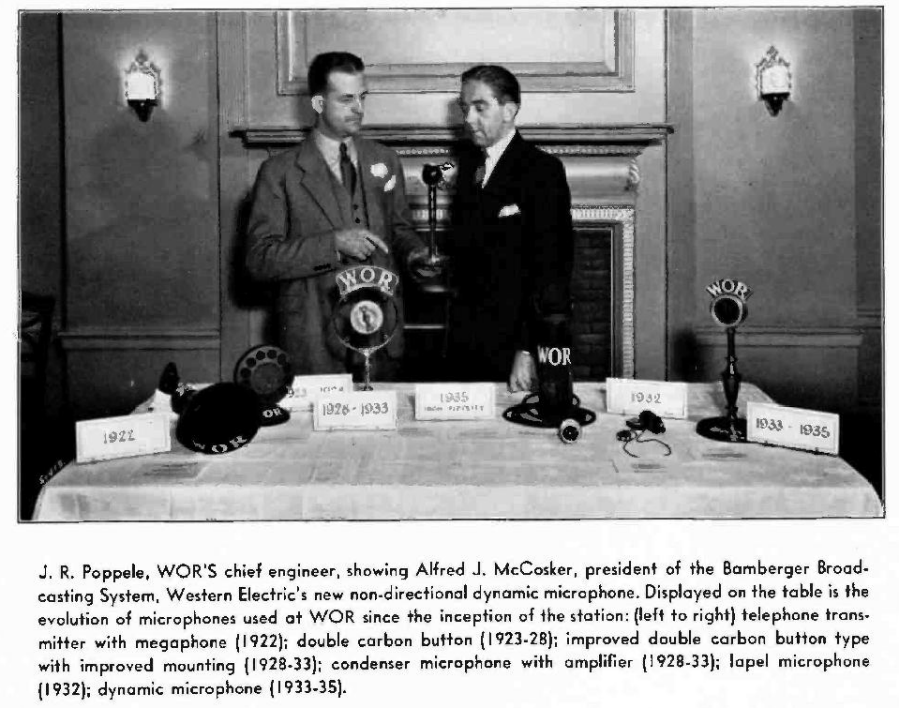
This photo illustrates the rapid evolution of microphone technology in the early 20th century.
***
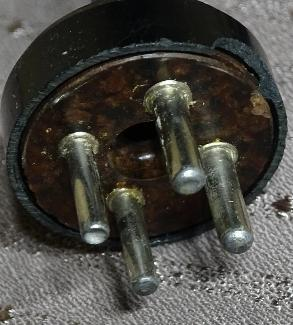
There were no mic connector standards in the 1930s. Microphone manufacturers supplied their own preferred connectors. Below is a four-pin connector (equipment end of the cable) used by Shure. The diameter was one inch/2.5 cm.
***
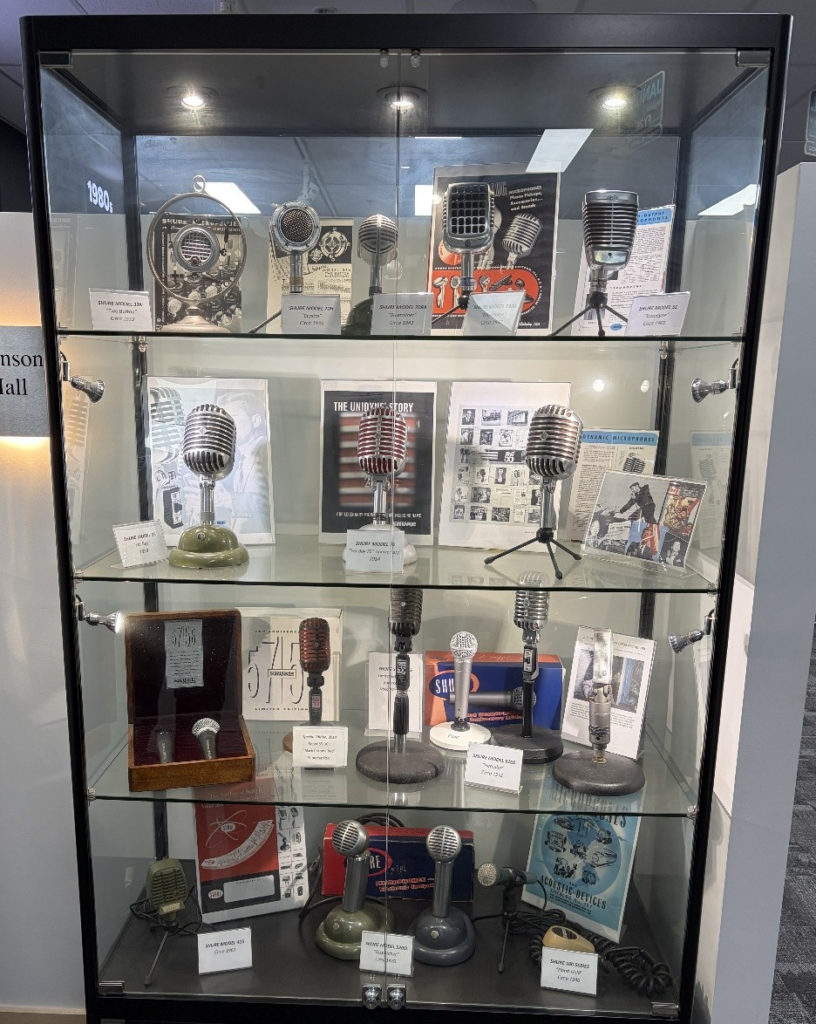
Speaking of vintage microphones, below is a display of classic models at Jands Proprietary Limited, the Shure agent in Australia. Photo courtesy of Tuomo Tolonen, Shure UK.