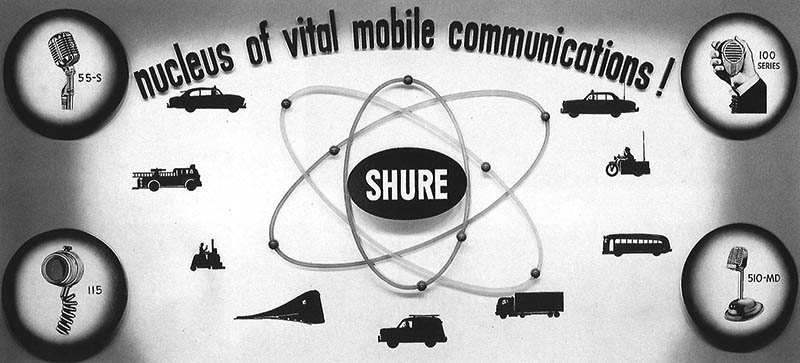
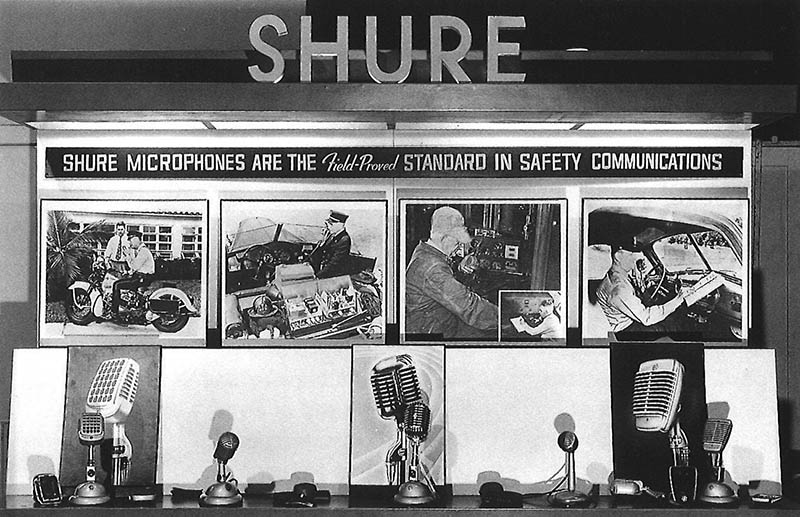
For Shure, mobile communications became a cornerstone in the development of the Company following World War II. During the war, communications proved to be a strategic advantage for the Allied Forces in the air, on the ground, and at sea; and Shure microphones were recognized for handling these challenging assignments.
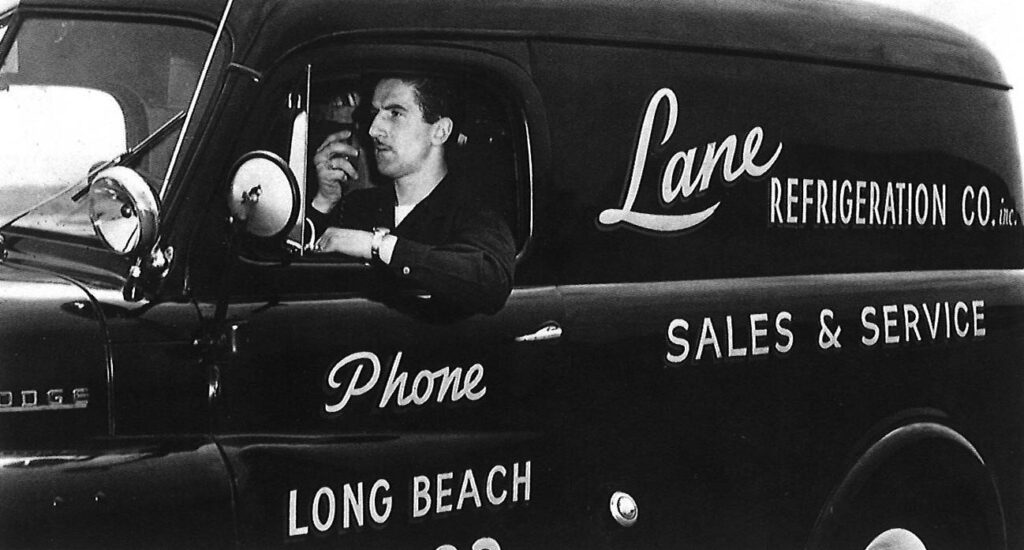
The war introduced the world to the power of mobile communication, but many companies involved in the production of audio equipment for the military did not see a commercial market for these products. For most mobile communications equipment, manufacturing costs were high, and the military standards seemed unnecessarily stringent for civilian applications. Sidney N. Shure thought otherwise. He applied the production and quality control measures developed during the war to a new line of microphones designed for police departments, fire departments, civil defense teams, and even cab drivers.
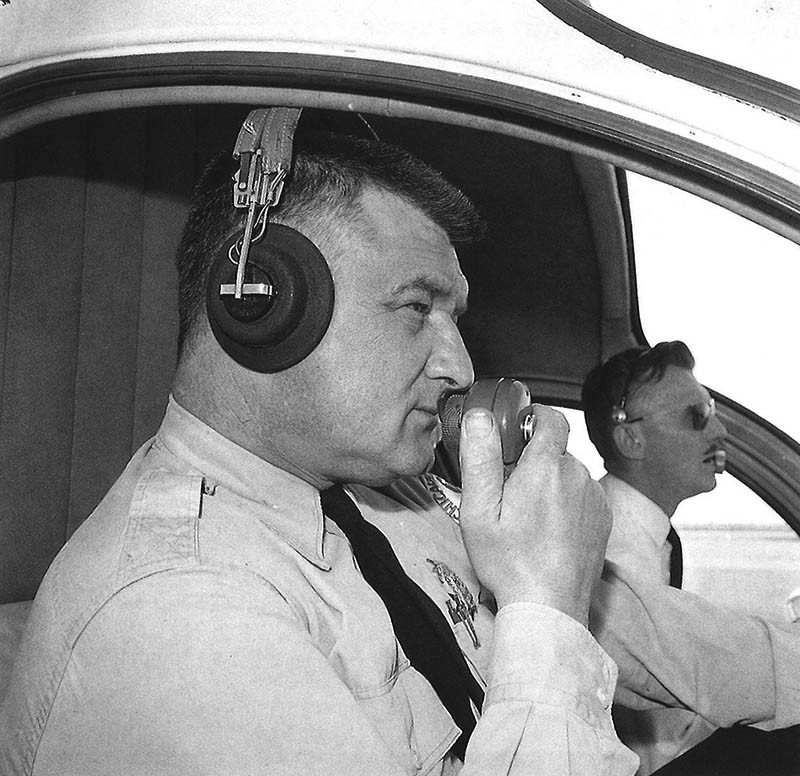
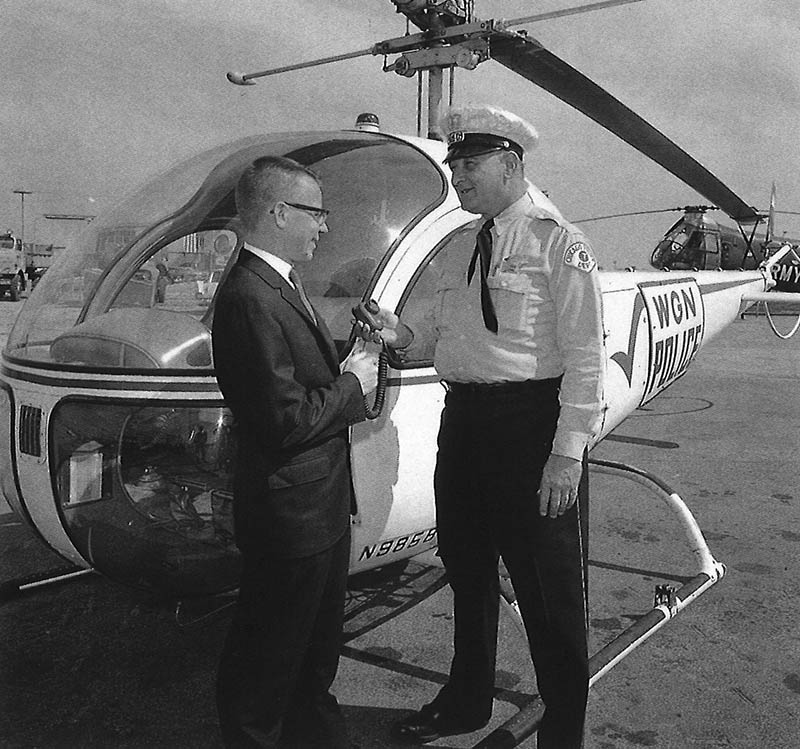
By 1964, Shure had established the most popular line of mobile communication microphones in the country, providing specialized products for service on land, at sea, and in the air.
The 488 Sonobar Noise-Cancelling Microphone was used extensively for broadcasting at convention halls and other public arenas, including the McCormick Place exposition hall in Chicago. The 488 also proved effective on ships. The 488T model was certified by the Federal Aviation Administration and was used on helicopters and other aircraft.
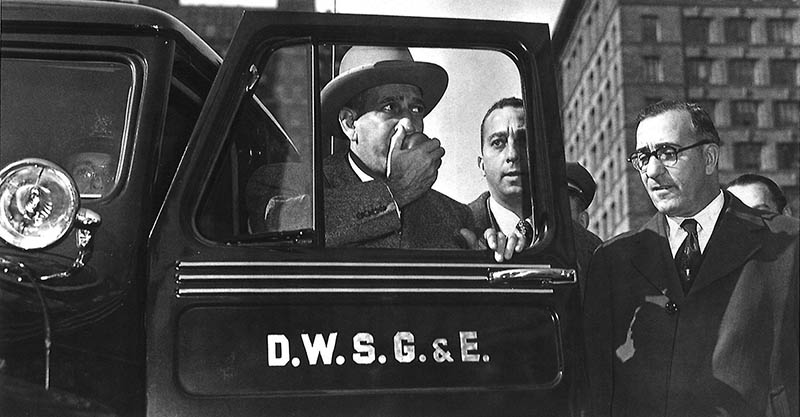
As demand for mobile communication increased across the United States, Shure became a name synonymous with rugged and reliable mobile systems.
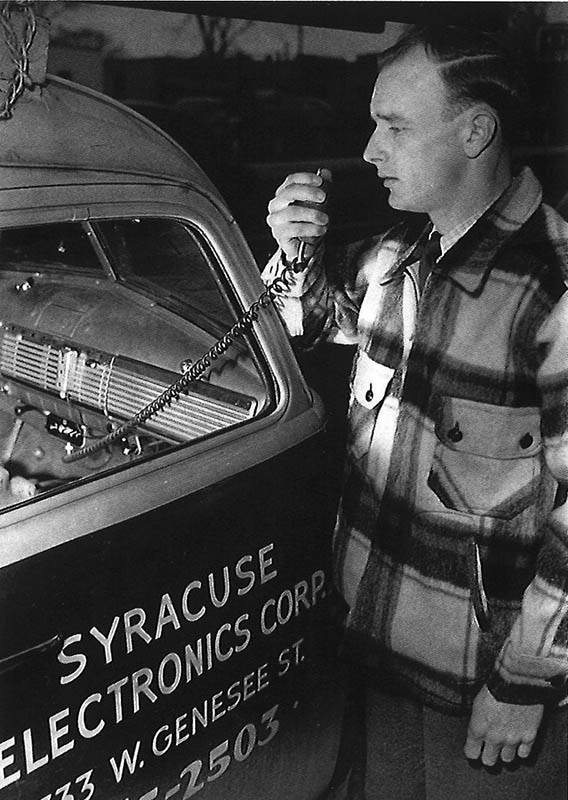
In a letter to Shure employees in 1968, Mr. Shure wrote: “We are very proud of the fact that our company makes over 90 percent of the microphones used by police, firemen, civil defense people, and disaster workers throughout the country.”