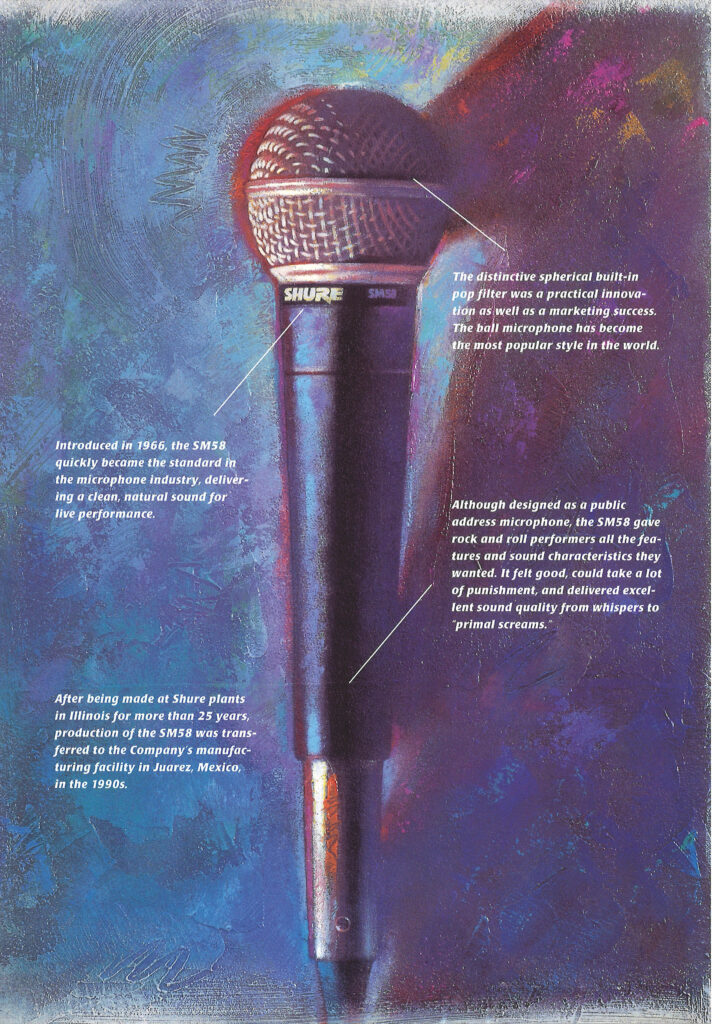
How would you go about developing a microphone that will become the most popular microphone of all time? To begin with, you would have to break a few rules and change some expectations. In the 1950s, microphones fell into a couple of categories. Public address system microphones were rugged, reliable, and designed to minimize the background noise that could interfere with what the performer had to say. Broadcast and studio microphones were more delicate instruments, designed to capture a greater range of sound. Shure had leading products in both markets, but its engineers saw an opportunity to define a new niche.

In the late 1950s, Ernie Seeler, a transducer engineer, led the Shure team in designing an ideal vocal microphone—one that would achieve a perfect balance of high output, broad frequency response, exceptional sensitivity, and minimal handling noise, all in a nearly indestructible package. To find this ultimate balance, Mr. Seeler and his colleagues relied on a unique blend of scientific method and audio artistry.
Hundreds of different combinations of diaphragms, voice coils, and magnet assemblies were rigorously tested. Then each model was subjected to the most demanding test of all: the listening test. After undergoing strenuous audio tests, the prototypes were dropped, cooked, frozen, submerged in water, screamed into, and generally punished in every conceivable way to ensure durability in the field. In 1959, after the engineers were completely satisfied, the Unidyne III 545 was unveiled.
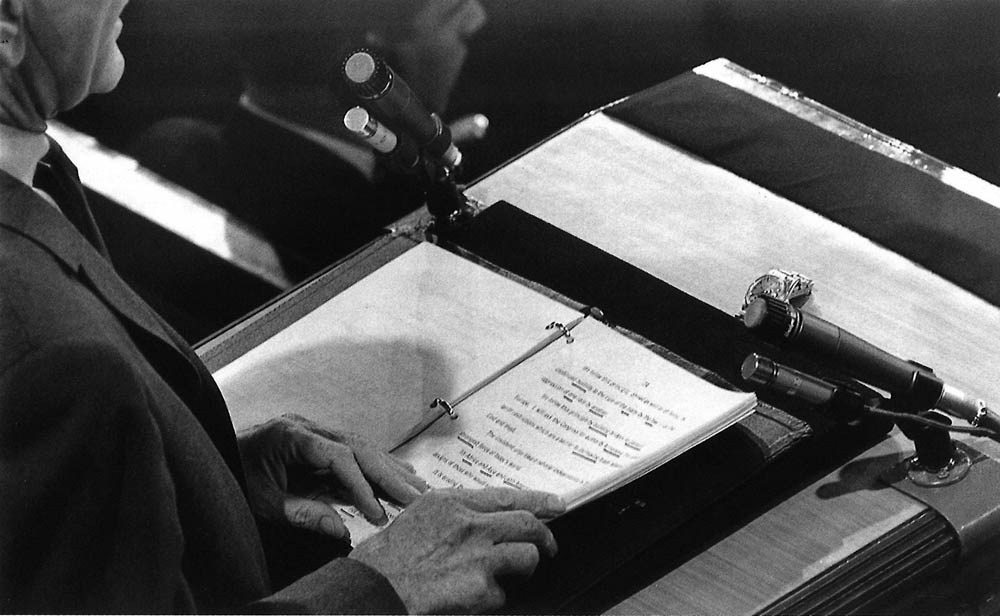
The SM57 set new standards for balancing rugged reliability and excellent sound quality. Not many engineers or audio companies would have relished the challenge of creating a product that met such divergent requirements. It was like building an all-terrain vehicle with the performance of a sports car. But Ernie Seeler was one of those rare engineers—and Shure was one of those rare companies—that wanted to develop products that professionals really needed, even if it meant breaking a few preconceptions about what a microphone could do.
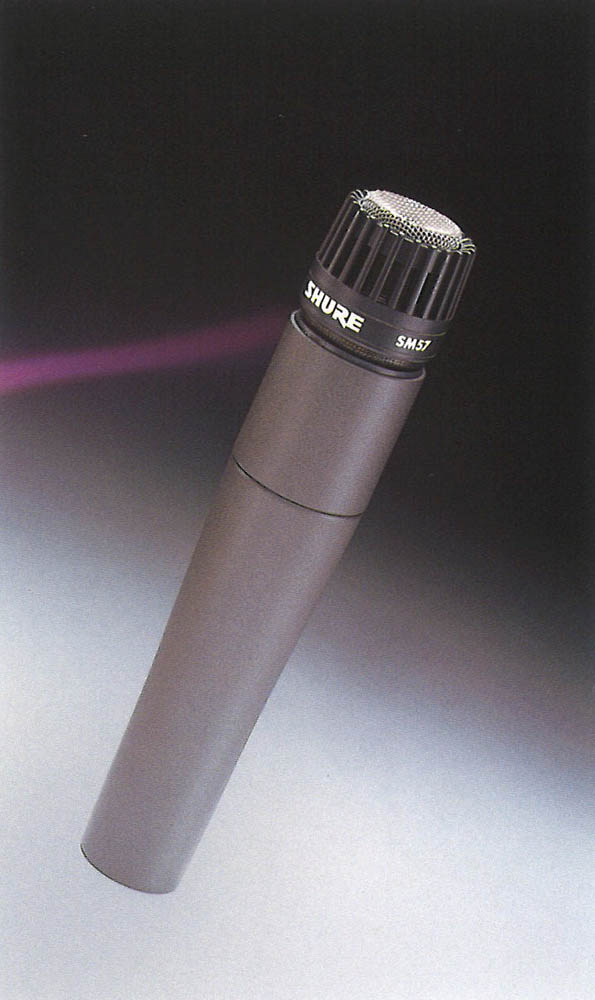
“The SM57 utilized all Shure’s experience and capabilities,” recalled Jim Kogen, Chief Engineer while the SM57 was in development. “We had made and were making products to demanding military standards while also making products for the high-fidelity market. It was our tradition to fully test a product before bringing it to market. We knew the niche that we wanted to fill, and we understood that if the SM57 was not reliable enough for the sound professional or if the sound quality wasn’t at a very high level, the product would fail.
“We could have brought the SM57 to market earlier, but the product wouldn’t have been as good. Refining a microphone is a time-consuming process with a lot of trial and error. If you take shortcuts, you just won’t achieve the same performance level.”
When the SM57 made its debut, the market was ready for a vocal microphone that could withstand the rigors of live performance and deliver consistently high sound quality. Sales took off and have continued since, an amazing feat in the rapidly changing audio equipment industry. The technology has undergone only minor changes over the years, but the line has expanded to include the SM58, the SM48, the SM87A, and 11 other SM microphones. It has become the best-selling microphone line in the world.
The longevity of the microphone line is due, in part, to the fact that each generation of sound professionals and performers has made the SM microphones its choice for a variety of applications—from rock and roll concerts to Antarctic expeditions.