During the Centennial of Shure Incorporated, Tech Tips are planned that document lesser-known aspects of our history. In this issue, we learn about reading material of the young S.N. Shure.
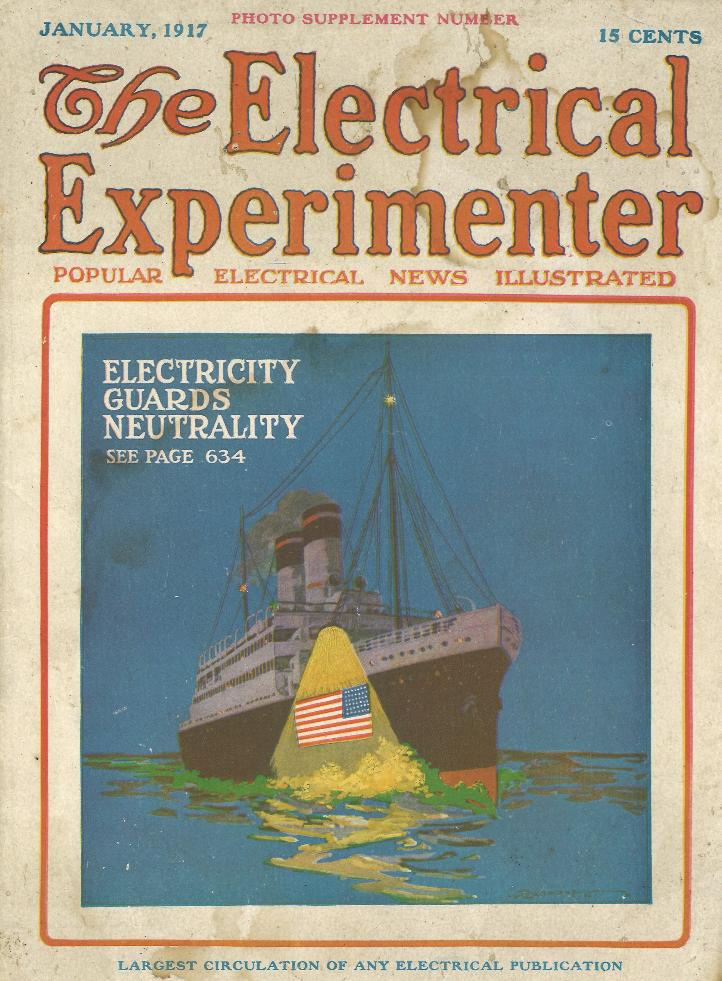
In January 1917, Sidney Natkin Shure was fourteen years old. He and younger brother Samuel Joseph were obsessed with all things radio. They subscribed to a monthly magazine entitled The Electrical Experimenter and are pictured below with a pal, reading the January 1917 issue.

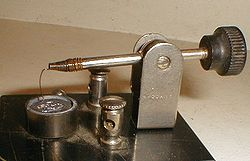
On the wooden crate is a device, likely a Galena crystal detector, used to receive radio signals. The magazine contained an article about radio detector development. How is this known? A copy of this very issue was added to the Shure archive in June 2025.
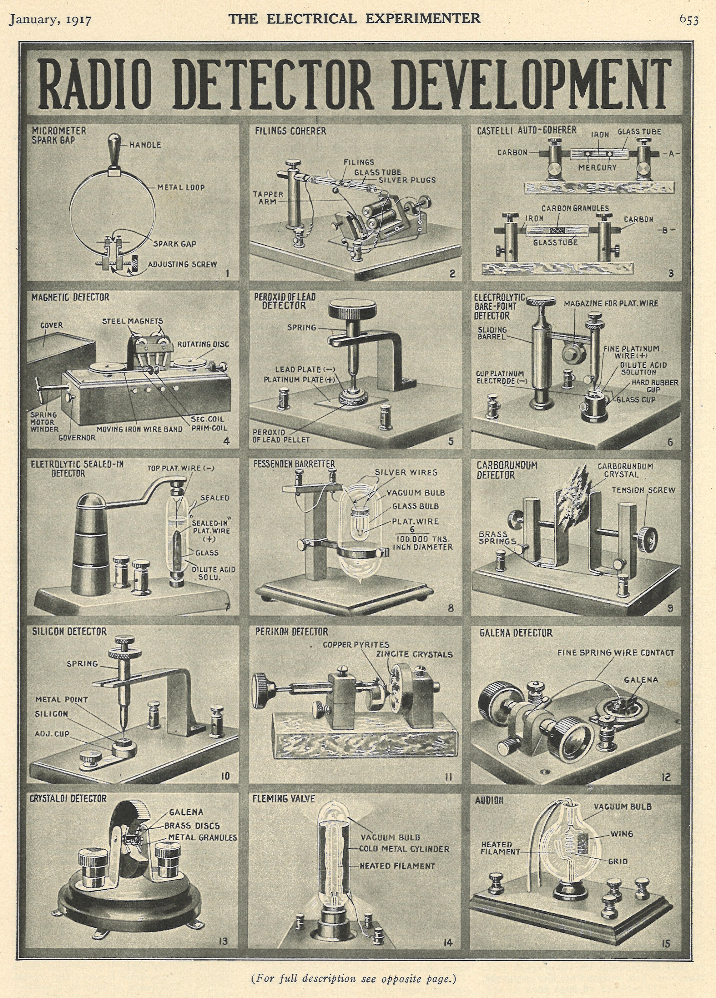
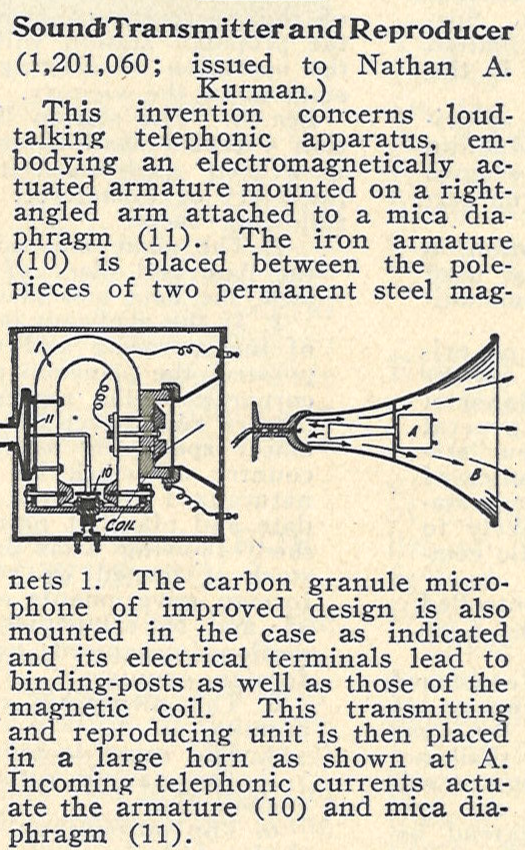
The magazine featured new electro-acoustic patents.
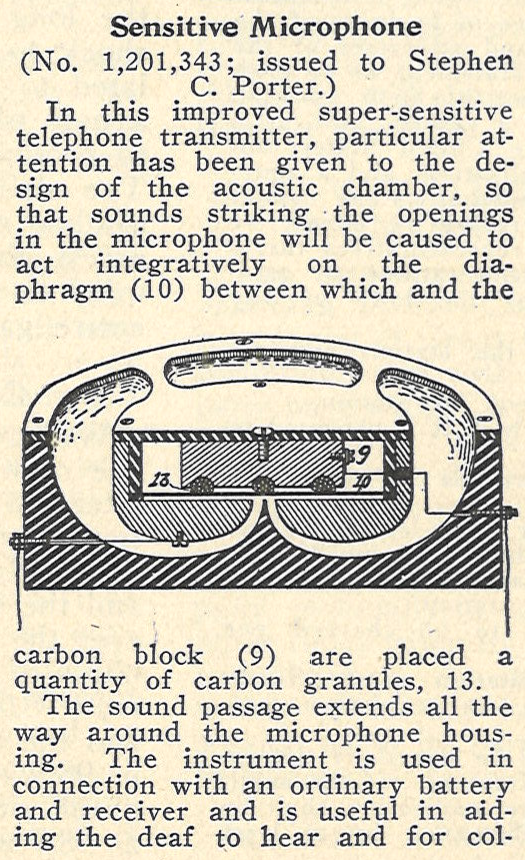
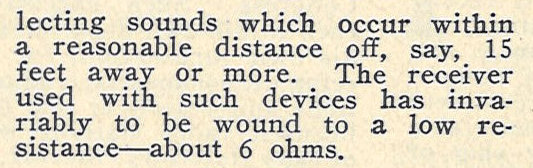
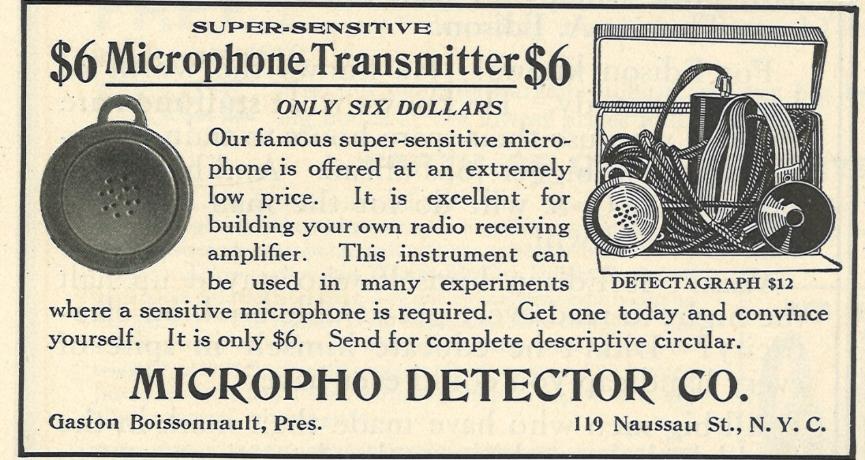
Ads for acoustic transducers were plentiful.
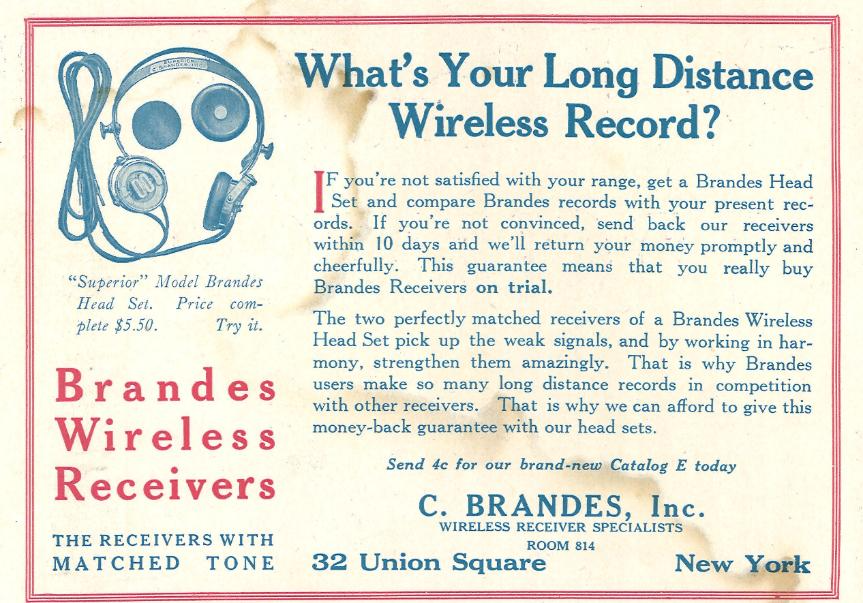
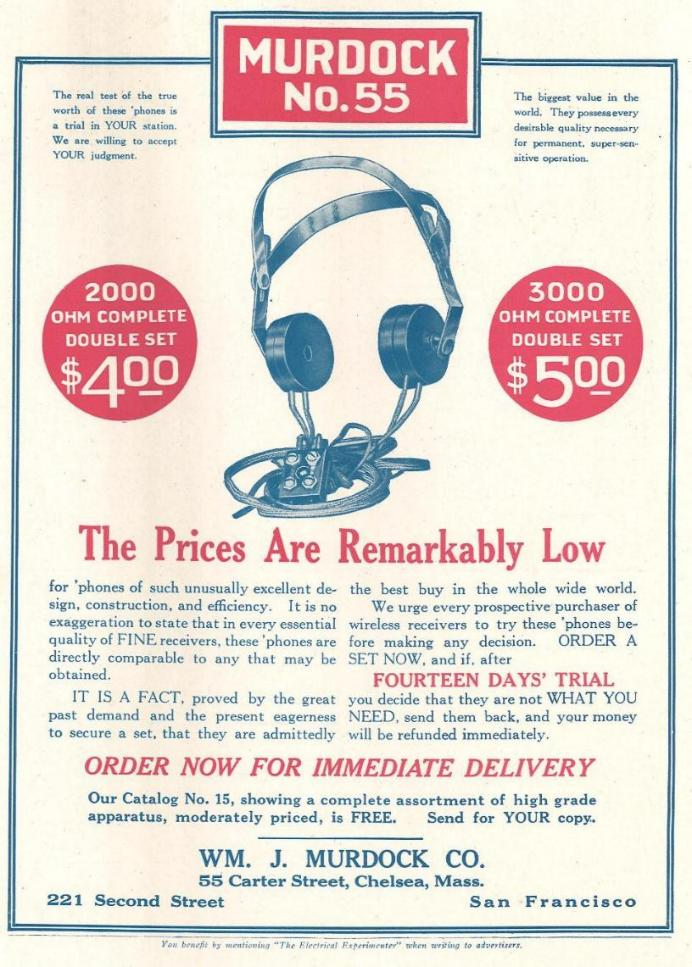

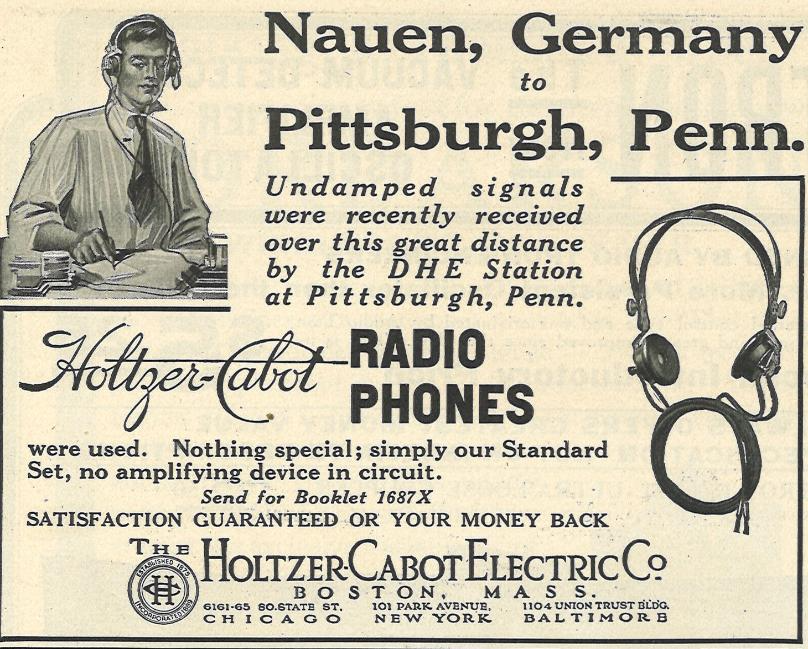
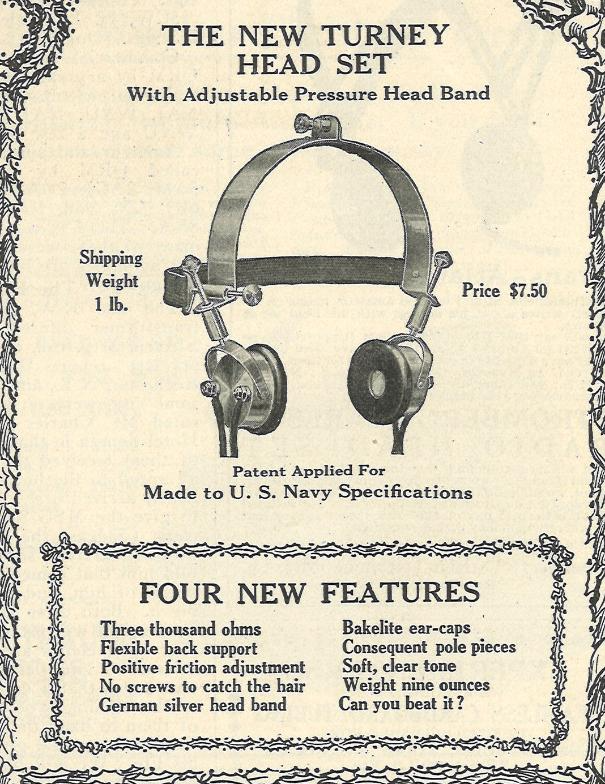
In the next ad, note the phrase “Made to U.S. Navy Specifications.” Did a teenage S.N. Shure ever dream that 25 years later his own company would be making headset drivers for the U.S. Navy?
Stromberg-Carlson Telephone Manufacturing, maker of the headset shown below, became an OEM customer of Shure Brothers Company in the 1930s.
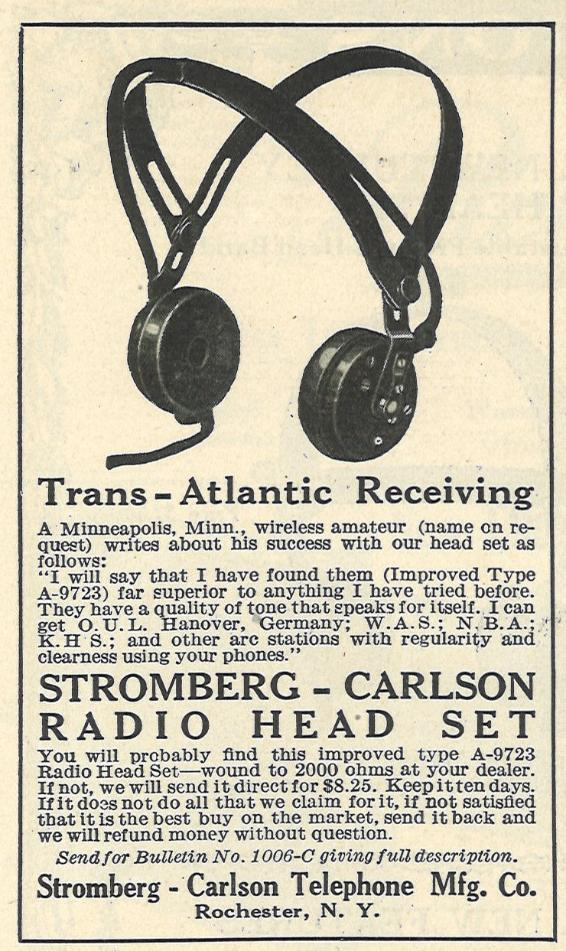
One can imagine the excitement of an adolescent S.N. Shure as he read The Electrical Experimenter and learned about the brave new world of radio and electro-acoustic devices. One hundred and eight years later, the companies whose ads are shown above are long forgotten, whilst Shure Incorporated continues onward into its second century of innovation.
Related information: World Radio History Website
Shure World War II Battle Announce Microphone
Arcana – mysterious or specialized knowledge
A crystal detector is an early 20th century radio receiver. It contains a piece of crystalline mineral that is employed as a detector/demodulator to extract the audio signal from the modulated RF carrier, producing audible sound in earphones. This device is an early solid-state diode and one of the first inventions using a semiconductor. The most common design was the so-called cat’s whisker detector, which had a slice of galena/lead sulfide and a fine wire touching its surface.
***
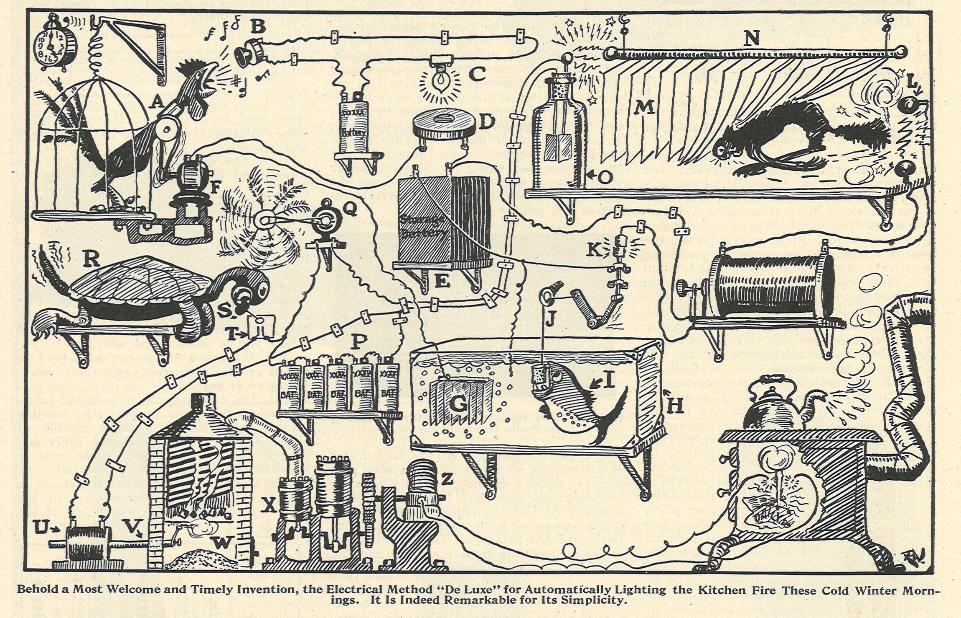
The Electrical Experimenter also included “gag patents” such as The Electrical Method for Automatically Lighting the Kitchen Fire These Cold Winter Mornings. It is Indeed Remarkable for its Simplicity.
***
Who is Rube Goldberg? Click here.
***
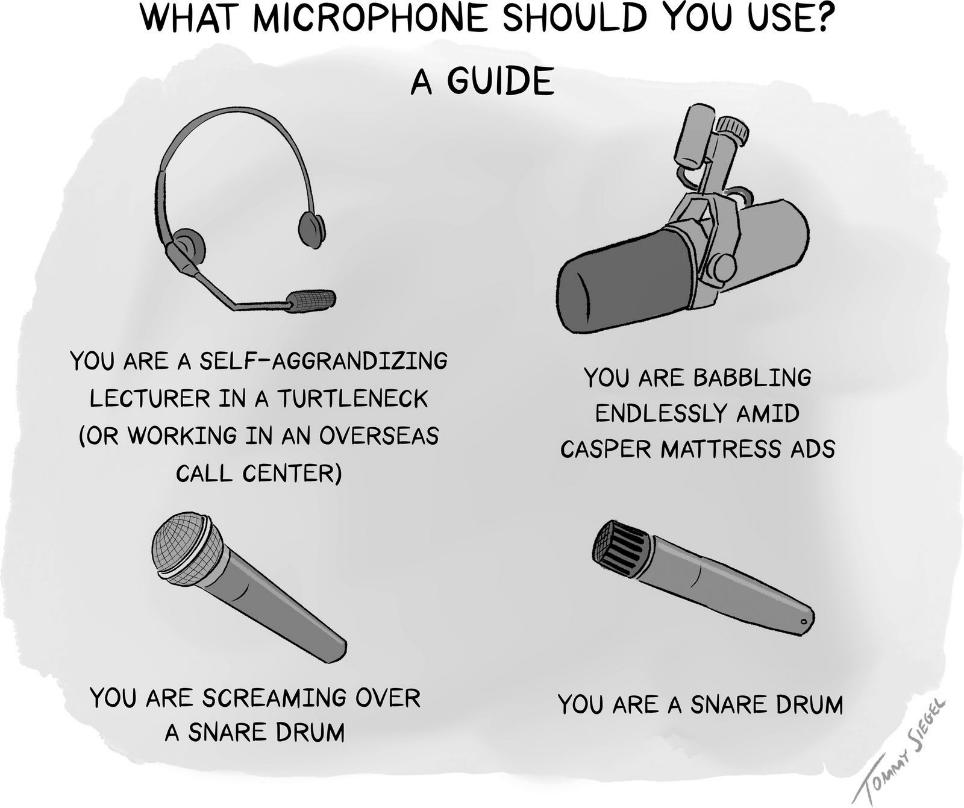
Mr. Shure and Mrs. Shure enjoyed reading The New Yorker magazine. They would have been delighted with the following New Yorker cartoon, from the issue dated November 17, 2025. If anyone cannot identify three of the four mics below, return to Tech Tip #1 and start reading again.