On the roof it’s peaceful as can be…and there the world below can’t bother me.
So wrote Carole King and Gerry Goffin in 1962, but for one SM81 mic, the roof was not a peaceful place. The story begins when Shure decided to develop and market electret condenser microphones.
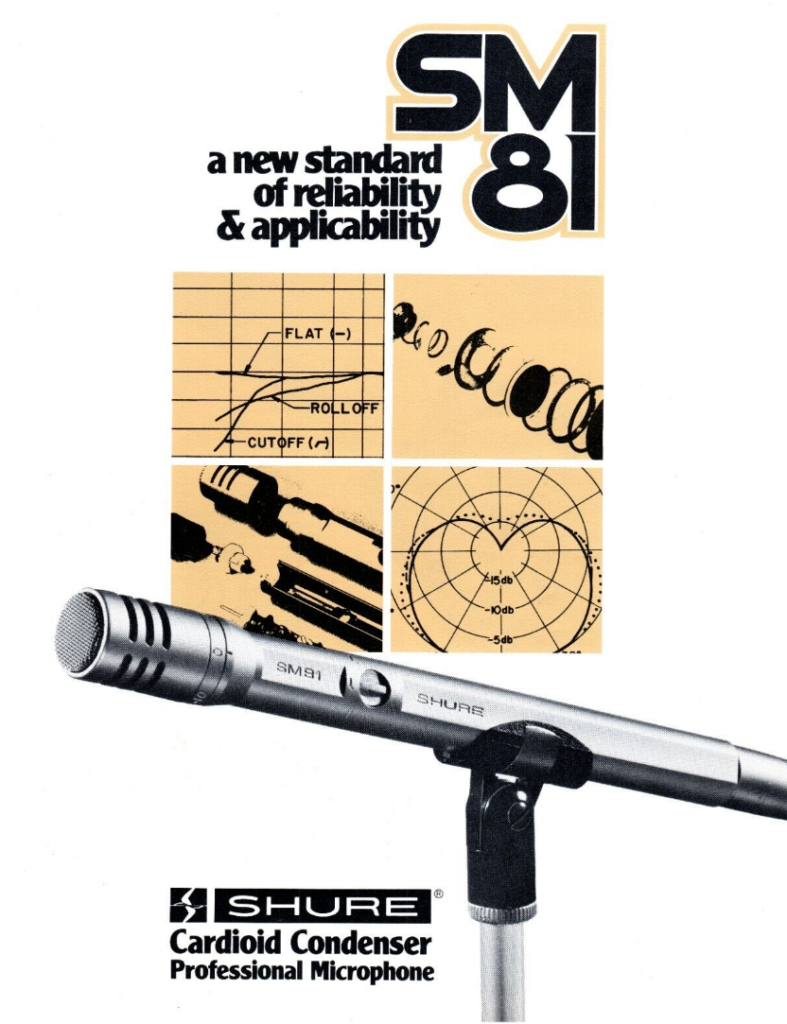
In 1978, we introduced our first modern studio-quality condenser mic, the SM81. Designed to be as rugged, durable, and reliable as the SM58, the SM81 encountered a few skeptics in the pro audio industry; one was Mr. Shure.
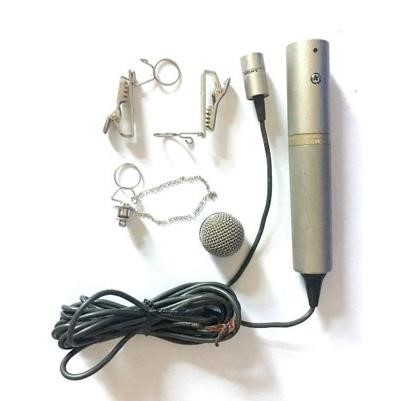
The electret condenser mic was invented in the 1960s at Bell Labs. Sony was the first company to market an electret to audio professionals – the ECM series of lapel mics; ECM = Electret Condenser Microphone. Embraced by the television industry because of the small size, the ECM mics soon proved unreliable. TV audio engineers began to double-mike talent with two ECM units…just in case. Yes, this is the wellspring for the tradition of double-miking broadcast talent.
Mr. Shure, acutely aware of Sony’s woes, was hesitant to approve the SM81 project, but our electret microphone specialists eventually convinced him that the electret reliability issues had been solved. The SM81 proceeded on schedule, but Mr. Shure could not forget about the damage to Sony’s brand and reputation caused by the ECM failures.
The SM81 had been on the market five years when Mr. Shure was shown a brand new process for manufacturing the electret mic element. The process seemed so complicated and fallible that it reignited his fears of a Sony-like debacle at Shure. At this point he insisted upon irrefutable proof that the SM81 would live up to Shure’s hard-earned reputation for reliability and durability over the long term.
Senior mic development engineer Ernie Seeler suggested, “Mr. Shure, let’s place an SM81 on the roof of our Evanston building for one year. Will that convince you?” Mr. Shure agreed that such a test would be satisfactory.
Mic engineers constructed an enclosure to shield the SM81 from direct precipitation yet expose it to the dramatic changes of temperature and humidity that occur in Illinois. Imagine the >120 F heat radiating during a summer day on a flat roof covered with black tar! Then months later, winter cold freezing the SM81 as temperatures plunged to -20 F and lower.
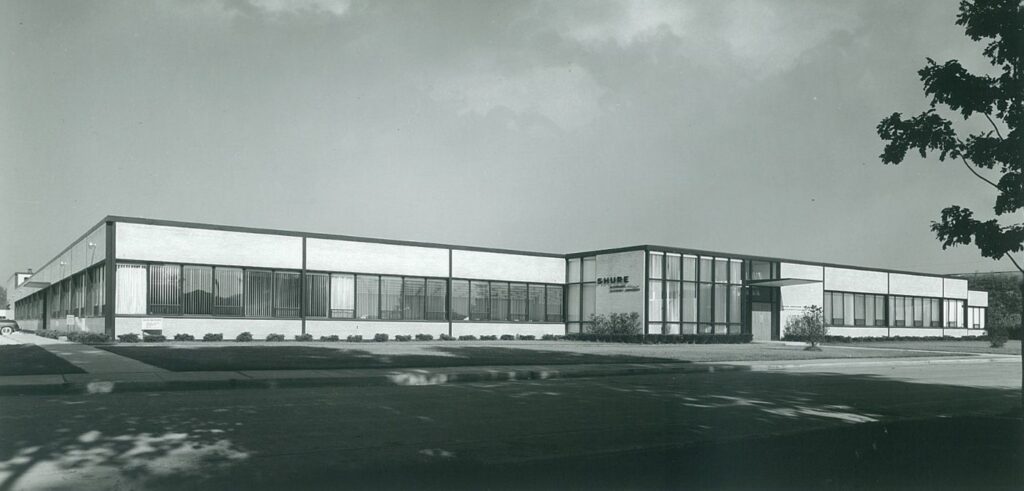
After a stressful year out-of-doors, the sacrificial SM81 was retrieved. When tested, it had lost only 1.4 dB of output level. The frequency response had not suffered. Mr. Shure was at last satisfied.

Our SM81, now 46 years young, has become a staple for touring sound professionals worldwide. Its long-lived popularity has proven that a studio quality electret condenser mic could be made to handle the rigors of life on the road or up on a roof.
I wish to thank Yuri Shulman, microphone development engineer emeritus, for his assistance with this story.
Related information: Video review of the SM81
Arcana – mysterious or specialized knowledge
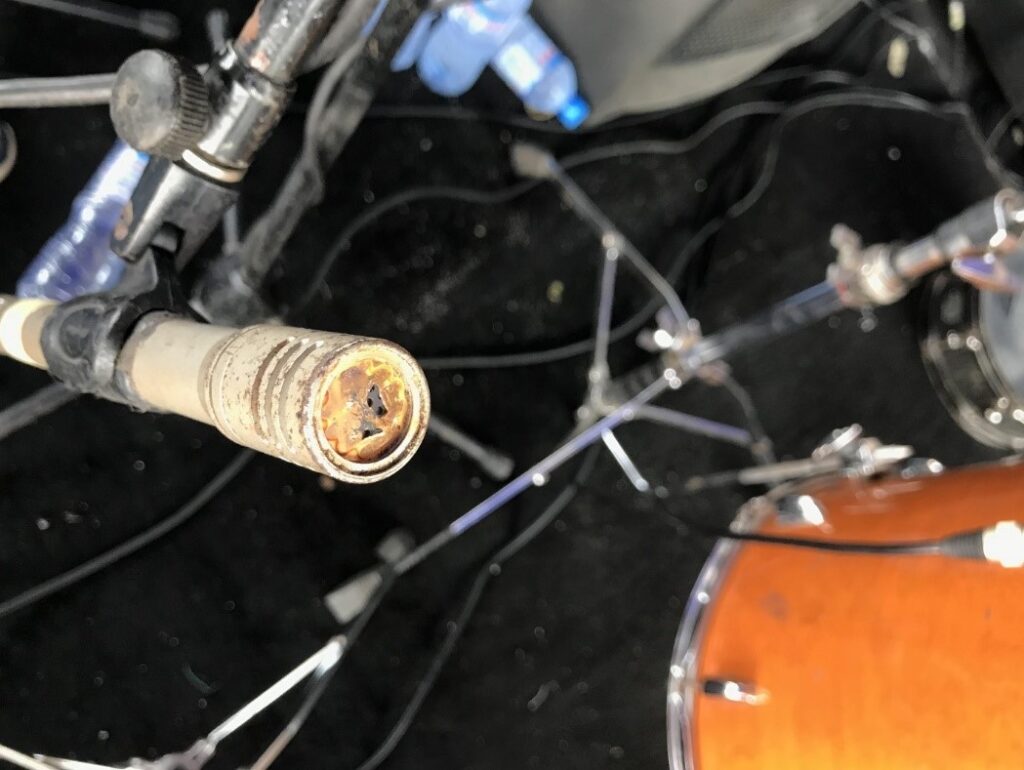
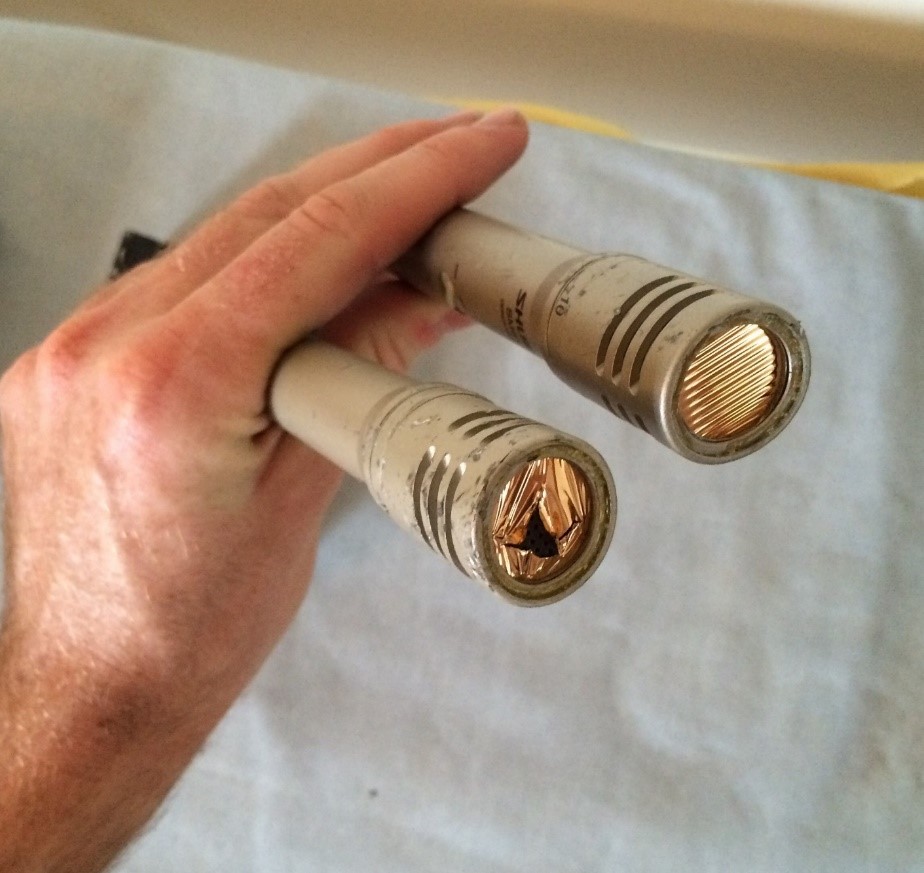
Does the SM81 stand up to physical abuse? The following photos are survivor mics featured in previous Tech Tips. Even with badly damaged diaphragms, these indefatigable SM81s continue to operate.
***
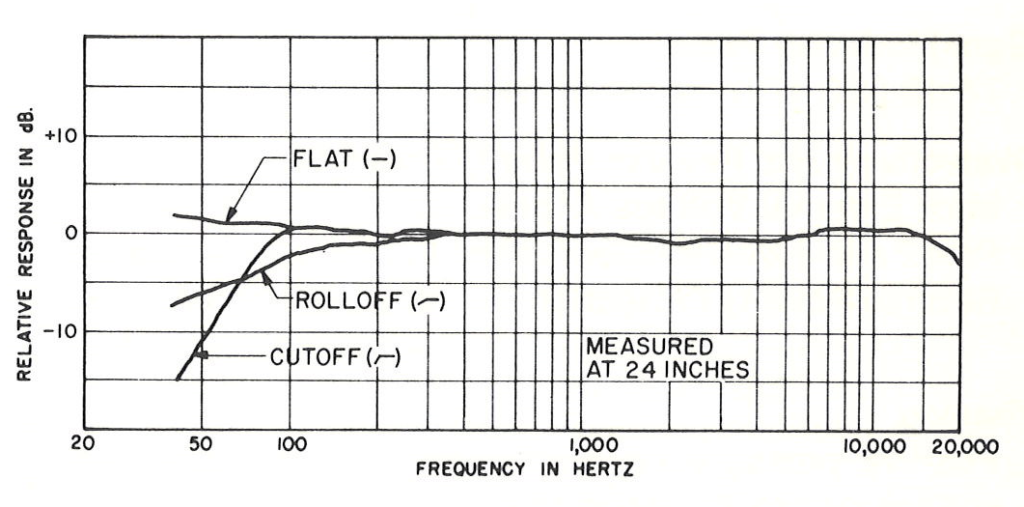
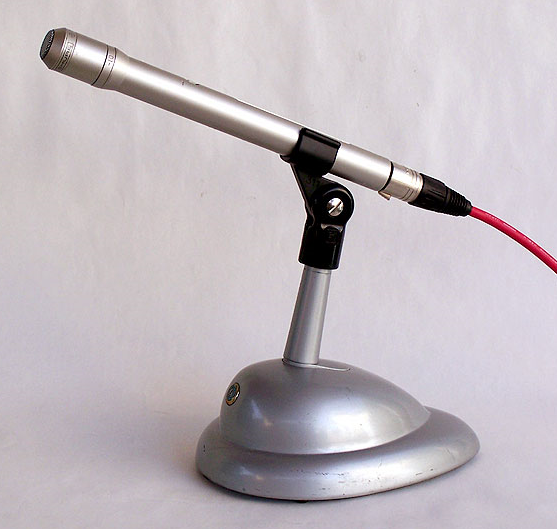
The SM80, an omnidirectional version of the SM81 introduced in 1982, became a favorite choice for recording pipe organs because of its flat, wide frequency response,.
***
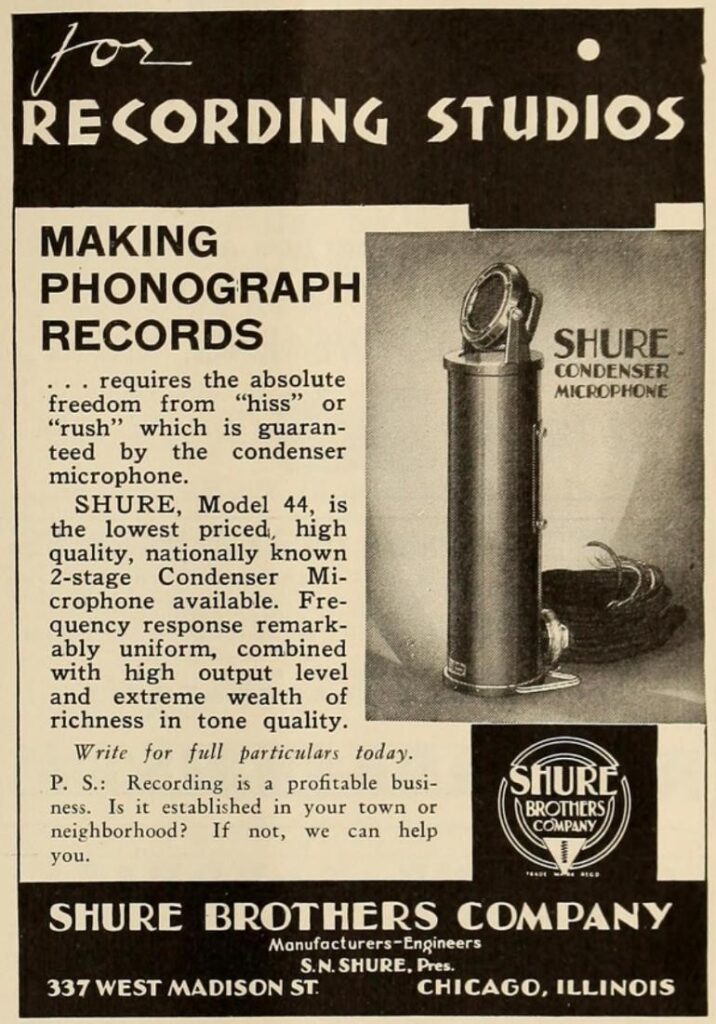
The first Shure condenser mic marketed to recording studios was the Model 44 in 1932.