From 1984 until 1996, Shure Brothers Incorporated had a Teleconferencing Division. Managed by Vice-President Lee Gunter, this division introduced over fifty innovative products and accessories during its twelve years of existence. The initial product was the ST6000 teleconferencing system – a two-rack space console with a six-input automatic mic mixer, a small power amp for tabletop loudspeakers, a telephone keypad, and a telephone line interface. The STM microphones were variations of the Shure AMS (Automatic Microphone System) models, i.e., inside were two cardioid mic elements positioned back-to-back. Here is the 1985 catalog description of the ST6000:
The Shure Model ST6000 Teleconference System turns conference microphones on and off with automatic gating. The special STM microphones are gated on only by sounds arriving from the front within their acceptance angle of 120 degrees. The ST6000 operates in a “quasi-duplex” mode: switching between transmit and receive so rapidly that full interrupt capability is achieved.
In 1987, the ST6000 Type 2 debuted with IntelliMix mic gating circuitry which is the same as employed in the SCM410, SCM810, and SCM820 automatic mixers. One unique product developed for the ST6000 Type 2 was the STM33 Tri-microphone, containing three cardioid elements separated by 120 degrees.

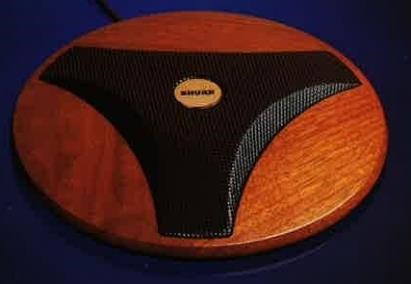
Shure also broke new ground with portable desktop teleconferencing products, beginning with the Shure ST3000. This circular desktop device, made of solid ash or walnut, consisted of a loudspeaker in the middle, three unidirectional mics on the outer diameter, IntelliMix circuitry, and a separate control console. It preceded the ubiquitous Polycom speakerphones by more than 5 years.
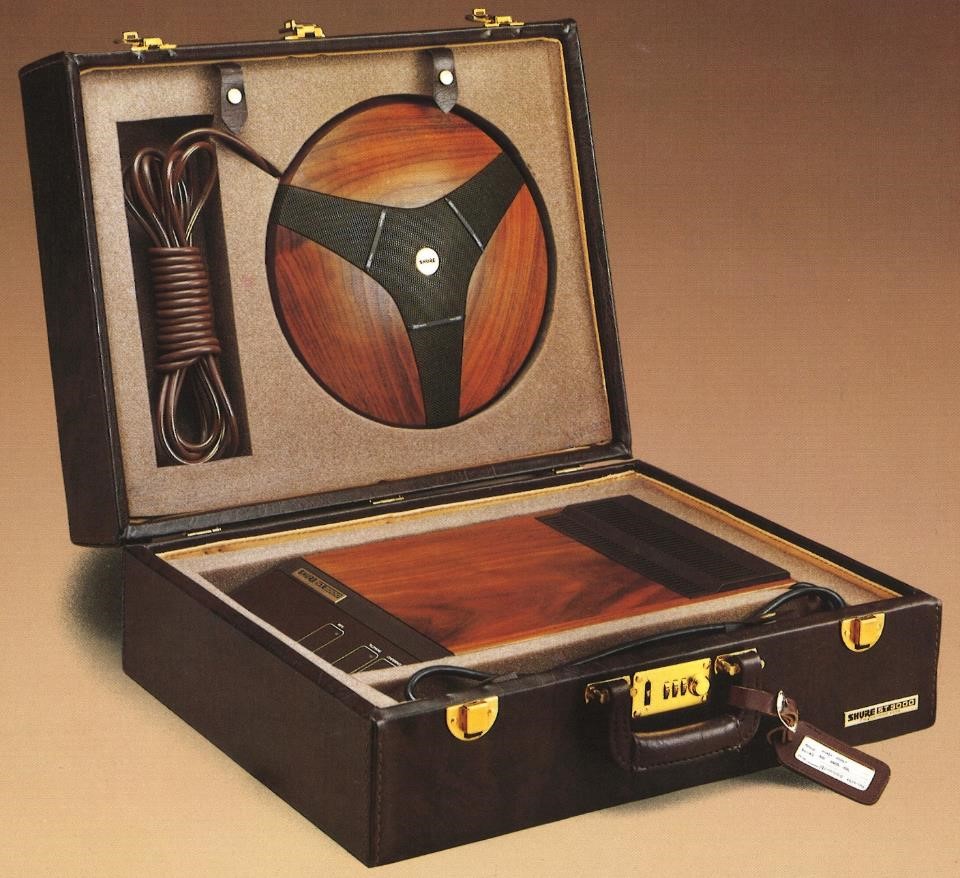
The prices for ST products were steep. In 1993, a single ST3000 system retailed for $3,495; or $7,700 in 2024. A six channel ST6000 Type 2 system was $8,200; or $18,100 in 2024.
New competitors, rapidly falling street prices, and digital signal processing advances led to the demise of the Teleconferencing Division. By the end of 1996, all ST products were discontinued. Shure left the teleconferencing market in order to focus our engineering resources on professional wireless microphones and in ear monitors…a decision that has benefitted us all.
Related information: ST3000 User Guide
Acoustics of Teleconferencing Rooms – a classic paper from Bell Labs
Arcana – mysterious or specialized knowledge
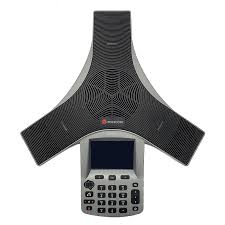
Look closely at the middle section of the ST3000. Was Polycom inspired by the Shure design?
Could be…
***
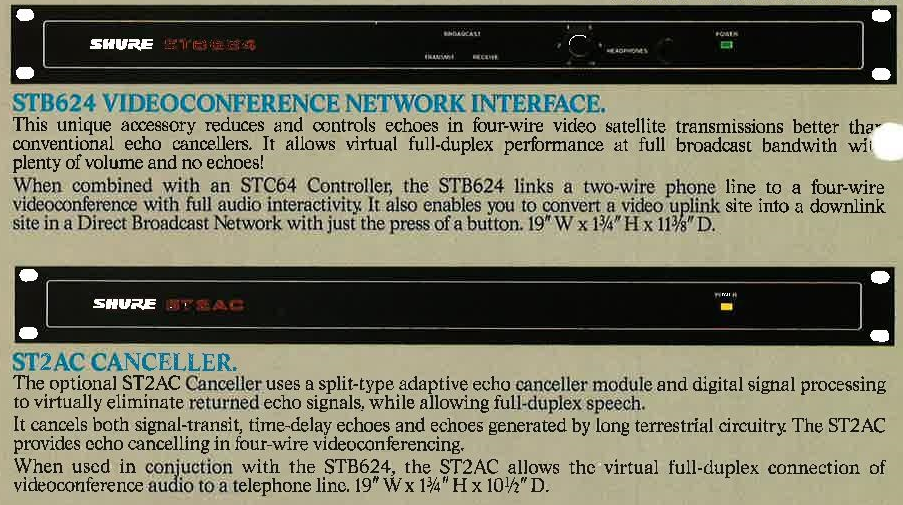
Here are two more unique ST products from forty years ago.
Shure was a pioneer in video teleconferencing.
***
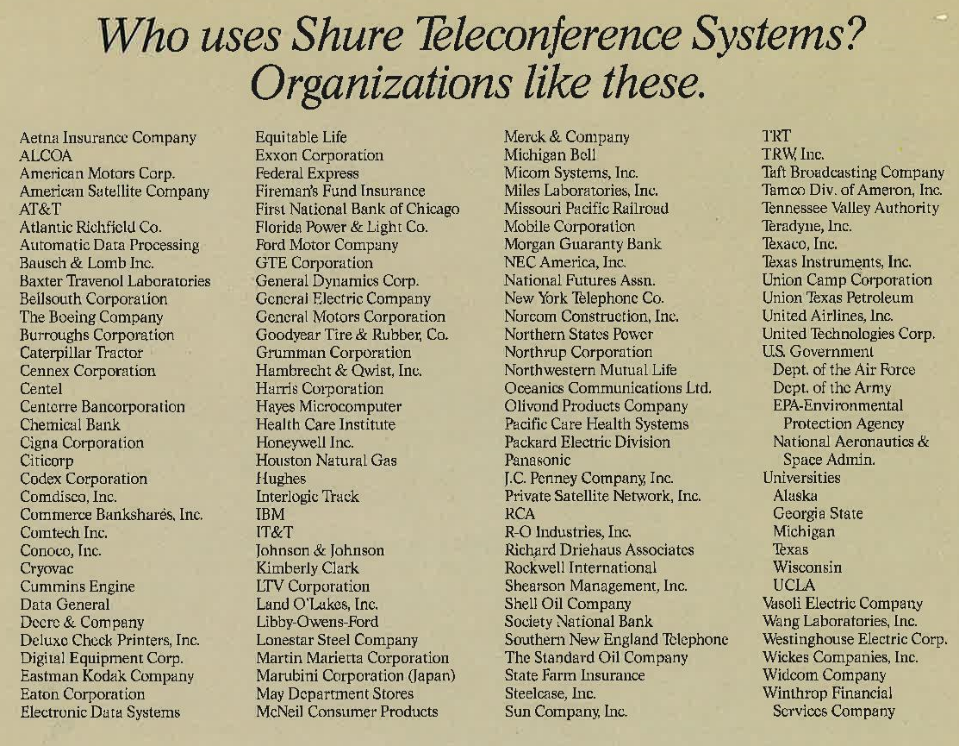
Who relied upon Shure ST products? The list is impressive.
Oddly, NASA, which owned numerous ST systems, is not listed.
***
Stephen Julstrom was the innovative engineer who developed much of the Shure Teleconferencing technology. Shure IntelliMix is one of Steve’s many patents. He left Shure in the early 1990s to start a career as a free-lance consulting engineer. Based in Chicago, Steve has worked in many areas related to audio, including earphones, hearing aids, and international standards for hearing issues. He consulted with Shure to design the low noise circuitry employed in the KSM44A.