
Behind some of the most recognized products in the world are people who are the most respected in their fields. From Shure’s first Chief Engineer, Ralph Glover, who helped pioneer Shure’s Two-Button Carbon Microphone, to the Shure Blue Ribbon product development teams initiated in the 1990s, the Company has recruited, developed, and championed talented people in acoustic design, digital and radio frequency technology, research, and engineering.
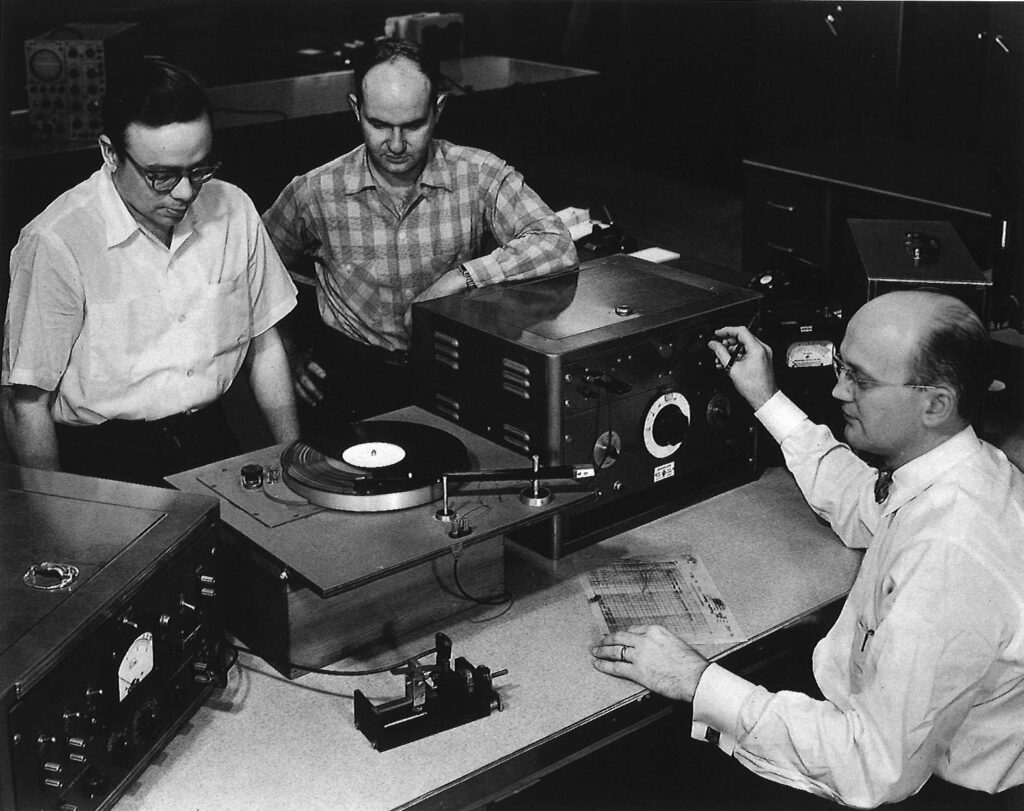
The emphasis on engineering began in 1929, at the start of the Great Depression, when Sidney N. Shure changed the focus of the Company from parts sales to product development. By 1933, Shure’s Two- Button Microphone was an industry standard, and Mr. Shure had moved the Company to a larger facility located at 225 West Huron in Chicago, with space for electrical and acoustic laboratories that included the latest sound-measuring equipment available.
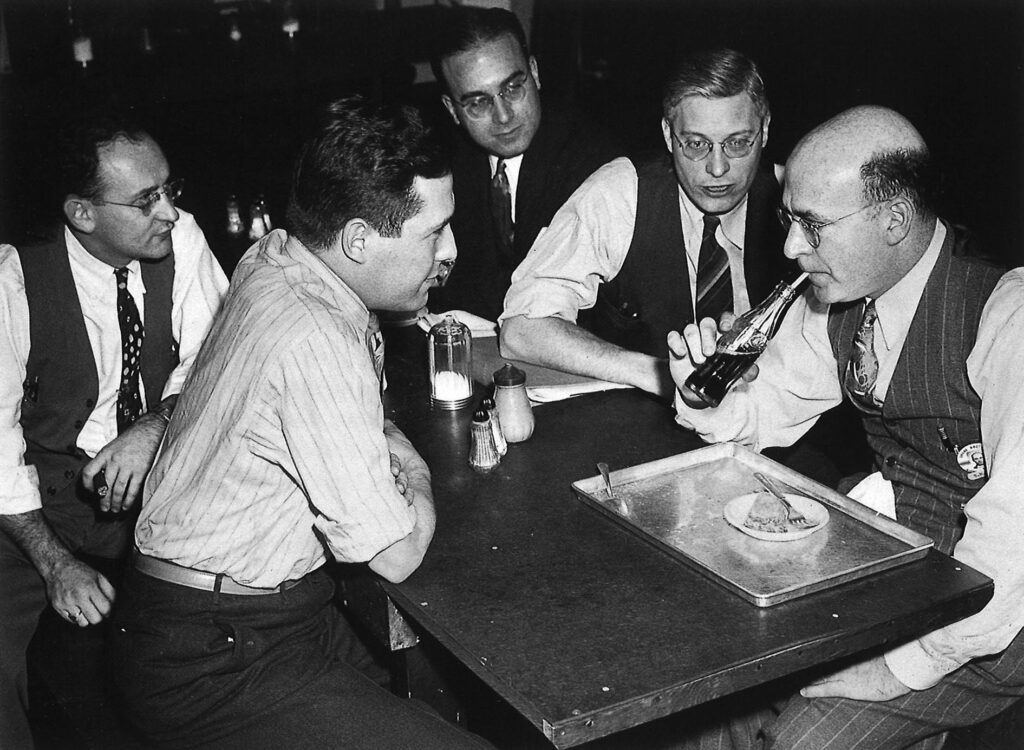
In 1936, Mr. Shure hired Ben Bauer, a college student, as an intern under the University of Cincinnati’s cooperative training program. Mr. Bauer was born in Russia and received his primary education in Cuba before coming to the United States. In 1937, after Mr. Bauer graduated, Mr. Shure offered him a full-time position, and three years later he became Chief Engineer. Over the next 10 years, Mr. Bauer spearheaded the creation of important new products, including the first lightweight, high-performance microphones, the first directional microphone, and the Shure Unidyne Microphone—the first single-element unidirectional microphone. He received more than a dozen patents and was published extensively on acoustic subjects.
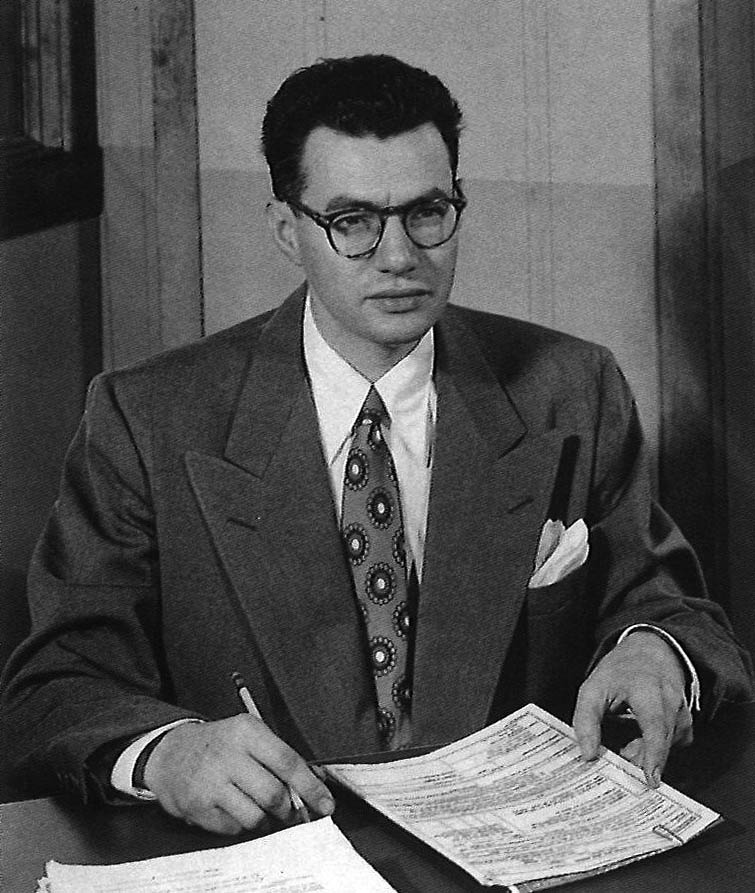
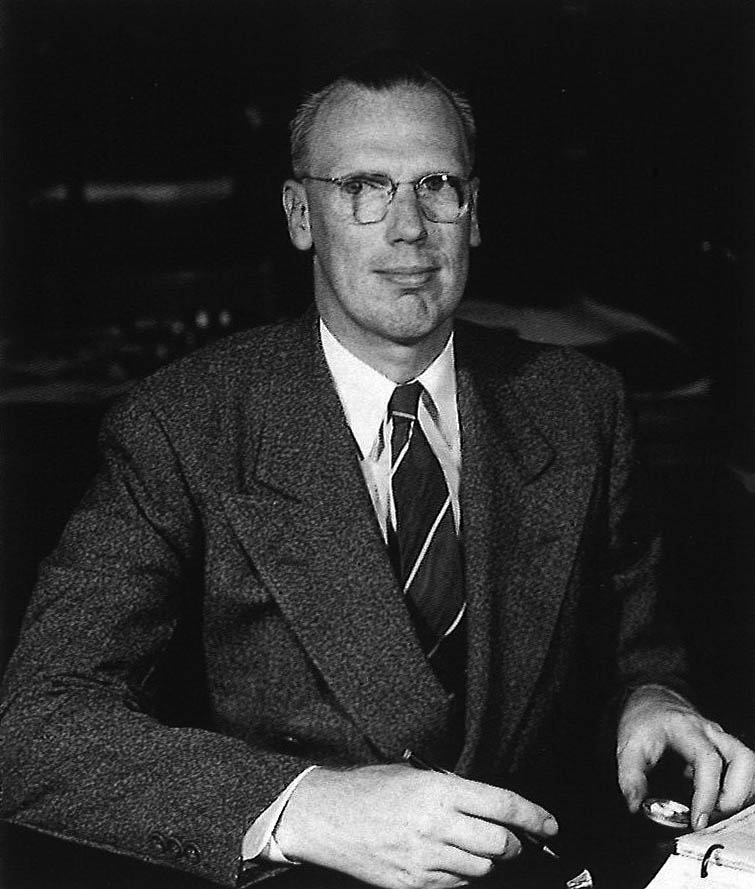
Another early member of the engineering team was Elmer Carlson, who joined Shure in 1940 and was instrumental in creating many of the acoustic devices the Company introduced during World War II. After the war, Mr. Carlson served as Senior Development Engineer and Department Head, and he played a pivotal role in developing Shure’s extensive line of phonograph cartridges. His colleagues recall the meticulous engineering records that Mr. Carlson kept and his attention to detail.
Roger Anderson joined the Engineering Department in 1950 and led the Shure division that developed recording heads for magnetic tape recorders. In the late 1950s, with the advent of high-fidelity recording and the expanding market for phonograph cartridges, Mr. Anderson participated in building Shure’s line of stereo cartridges, which were designed to faithfully reproduce the sounds on hi-fi recordings. Among his several patents in the field, he is credited as co-inventor of the Shure M3D Dynetic Stereo Cartridge, which was introduced in 1958 and immediately acknowledged to be the first true stereo phonograph cartridge. It was one of the most successful products in the Company’s history. Five years later, Mr. Anderson and his fellow Shure engineers were again working to raise the standard for phonograph cartridges. The result was the Shure V-15, acknowledged to be one of the finest cartridges ever made.
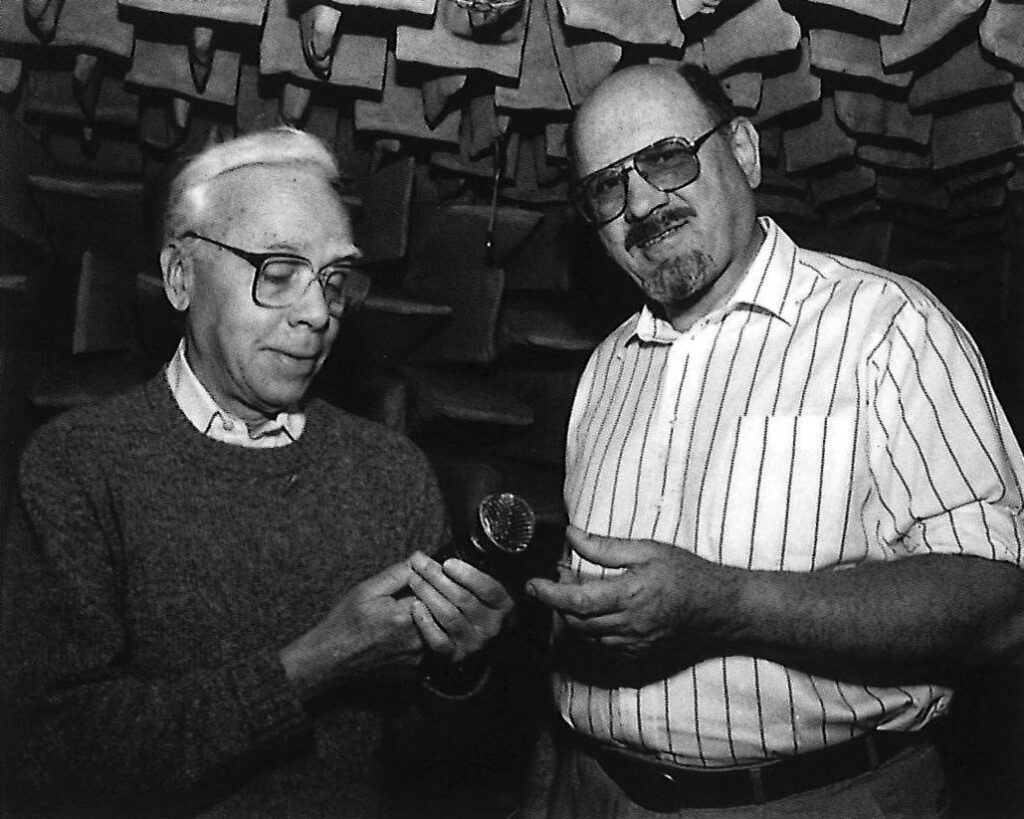
Joining the engineering team in 1953, Ernie Seeler was considered a “born engineer” by his colleagues. Mr. Seeler was born in Cuba and educated in Germany. At Shure he quickly demonstrated his talent and creativity. In 1955, he developed the first twin-lever phonograph cartridge, using both ceramic and crystal elements. After moving to Shure’s magnetic microphone cartridge design team, he developed three types of microphone cartridges that ultimately made their way into many Shure products. This work required new ways to fabricate and assemble microphones and cartridges as well as the instruments to measure their performance. These processes are considered so important to the Company that they have not been patented. As Bill Bevan, then Vice President, Research and Development, explained in 1992: “They are exactly the processes our competitors would like to know.”
Another important figure in the history of Shure engineering was Bernie Jakobs, who joined the Company in 1958 as a design draftsman. He became Senior Vice President of Engineering in 1992. He was educated in Germany, and his background in mechanical engineering complemented a team made up of electrical and acoustic engineers.
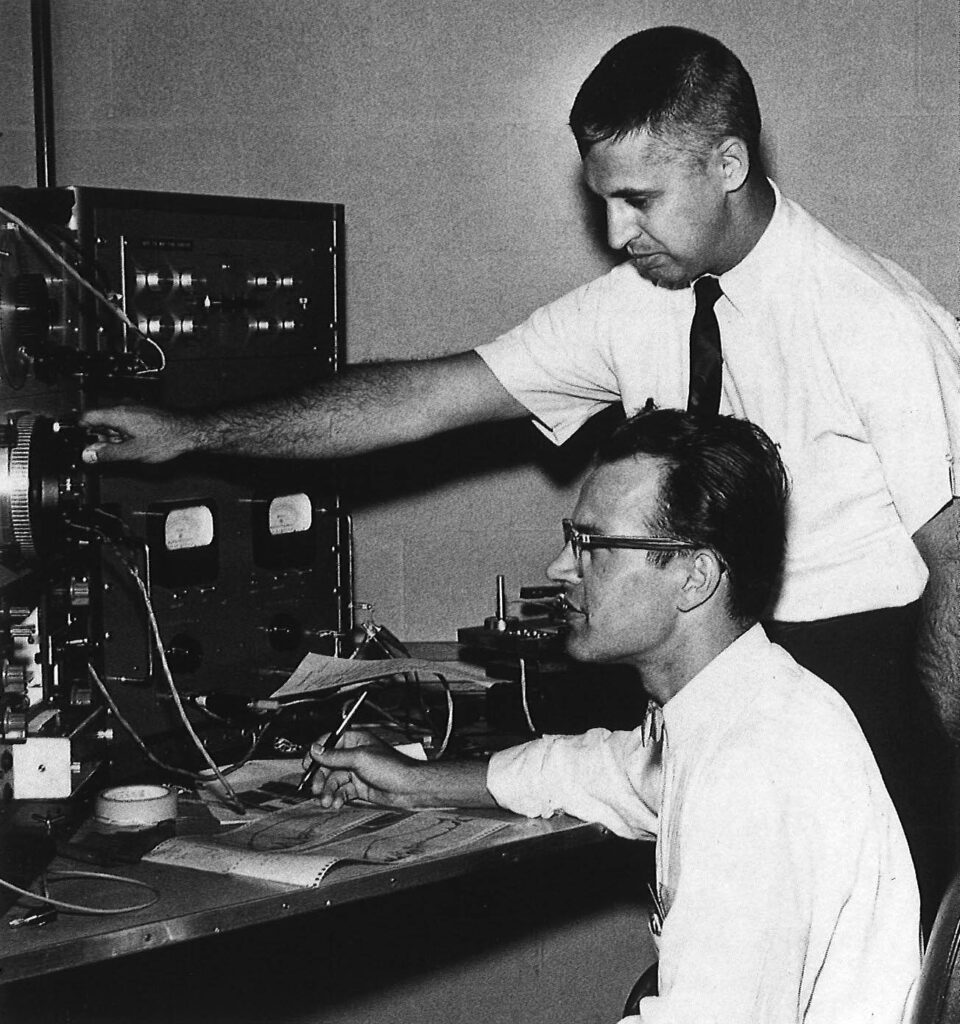
The legacy of leadership in audio engineering can be largely credited to Sidney N. Shure, who hired these men and fostered an environment of creativity, respect, teamwork, and innovation among the staff.
According to Bernie Jakobs: “The opportunity to work on products that played such a prominent role in our lives and helped shape the history of the world gave us all enormous pride. It was the best job an engineer could have.”
