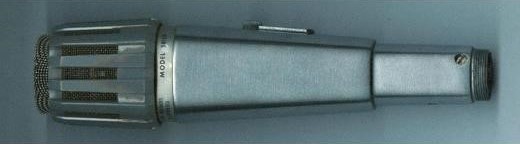
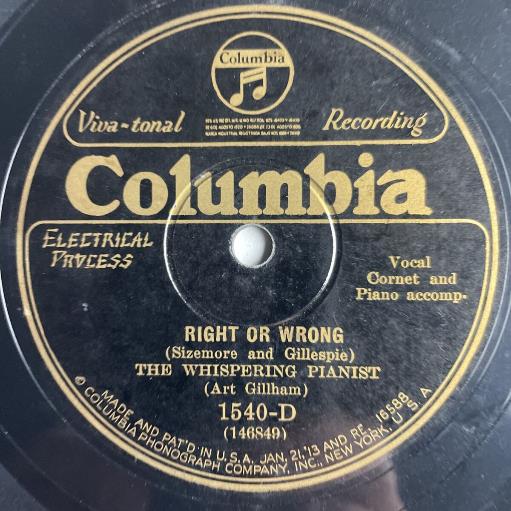
A significant innovation in recorded music occurred a century ago in New York City. On February 25, 1925, Art Gillham, dubbed “the Whispering Pianist” because of his soft crooning, arrived at the studio of Columbia Phonograph to test a newly installed electrical recording system. Once Mr. Gillham was ready to begin, a recently developed Western Electric condenser recording microphone was positioned in front of his mouth.
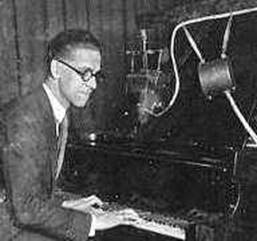
In 1925 when phonograph records began going electric, Hollywood movies with sound, known as “talkies,” were not far behind. There is no plaque to mark the spot where Gillham made the first commercially released electrical recording. The studio’s exact location is unclear, but it might be the site now occupied by the Rose Theater, the Jazz at Lincoln Center venue in Midtown Manhattan, where Columbia’s offices once stood. Fittingly, the current building is home to a recording studio for Blue Engine Records – the label of Jazz at Lincoln Center.
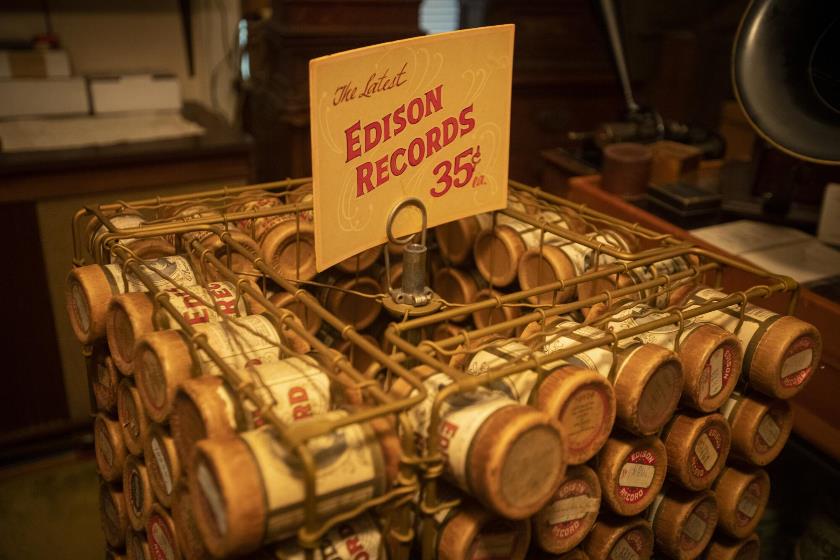
Many feel the advent of electrical recording to be the most important technological development in recorded music. Before 1925, it was the acoustical recording era. A conical horn captured the sound waves of the music being performed. This vibrated a cutting stylus to carve grooves into a rotating wax cylinder or disc, marking it with audio information. But acoustical recordings had limited dynamic range. With electrical recording, voices and instruments could be reproduced with greater fidelity.
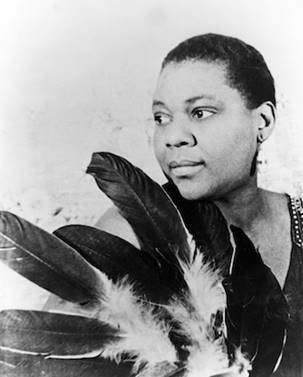
In the early 20th century, the singing stars came from classical music. The tenor Enrico Caruso was the first to make a million-selling recording. His loud voice covered up much of the surface noise inherent in an acoustical recording. Non-classical singers also relied on vocal projection. Blues singer Bessie Smith referred to herself as a “shouter.” Al Jolson, though appearing in the pioneering talkie “The Jazz Singer,” did not adapt well to electrical recording and the same went for Bessie Smith. Both were set in their singing styles and could not adjust to the microphone’s quirks.
The prime beneficiaries of electrical recording were popular singers. Being sensitive to tone and nuance, the recording microphone gave personality to these artists. Those who wanted to sing in a different manner now had a recording method to capture their styles. On “You May Be Lonesome,” Art Gillham warbles conversationally above a piano melody – casual as a telephone call. Another soft singer, Jack Smith, issued a record album entitled “The Whispering Baritone.” Most successful with early electrical recordings were the performers who had mastered singing into a microphone while on radio programs. Both Smith and Gillham honed their soft vocal style on the radio.
The first electrical recordings went on sale in April 1925. Initial reactions were not all positive. Some listeners felt the new records sounded strident and tinny as they had grown accustomed to the warmer sound of acoustical recordings. But the public ear eventually accepted the new timbre.
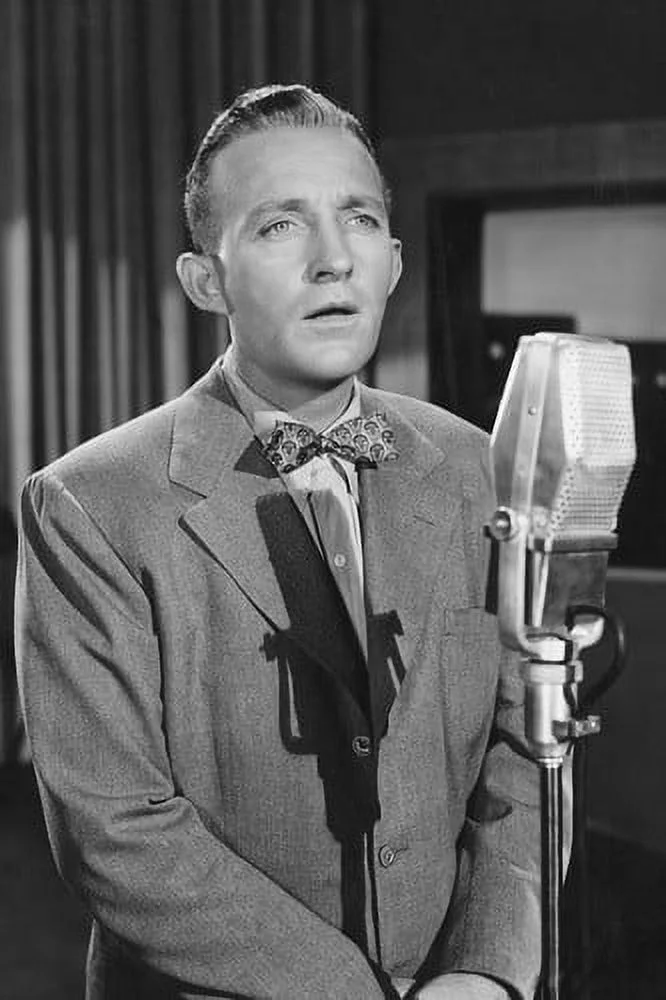
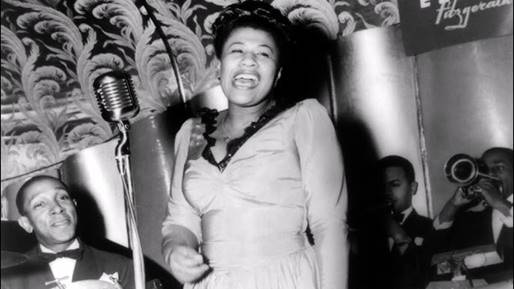
As microphones migrated into concert halls, whispering singers evolved into crooners like Bing Crosby. Rudy Vallée claimed to be the first singer to perform a live show with electrical amplification circa 1930. The first wave of artists to make use of electrical recording were known as “microphone singers.” When Ella Fitzgerald auditioned for Chick Webb’s big band in 1935, she was painfully shy. Webb told her, “Well, your voice is soft but the mic will bring it out.”
Today, performers are well-versed in the use of different microphone types and methods to make an impact. There is the intimacy of Billie Eilish or the powerhouse delivery of Adele. When recording a vocalist, the producer or the recording engineer chooses the type of microphone to use, then adjusts sonic variables as the singer performs and later during the final mix.
The employment of microphones for recording and live performance changed not only who was heard on records, but also how the public hears. The advent of electrical recording was indeed a pivotal moment of the 20th century.
*This Tech Tip is based on an article from the New York Times, by Ludovic Hunter-Tilney.
Related information: Art Gillham “You May Be Lonesome”
2024 recording using a single 1925 Western Electric condenser microphone
Arcana – mysterious or specialized knowledge
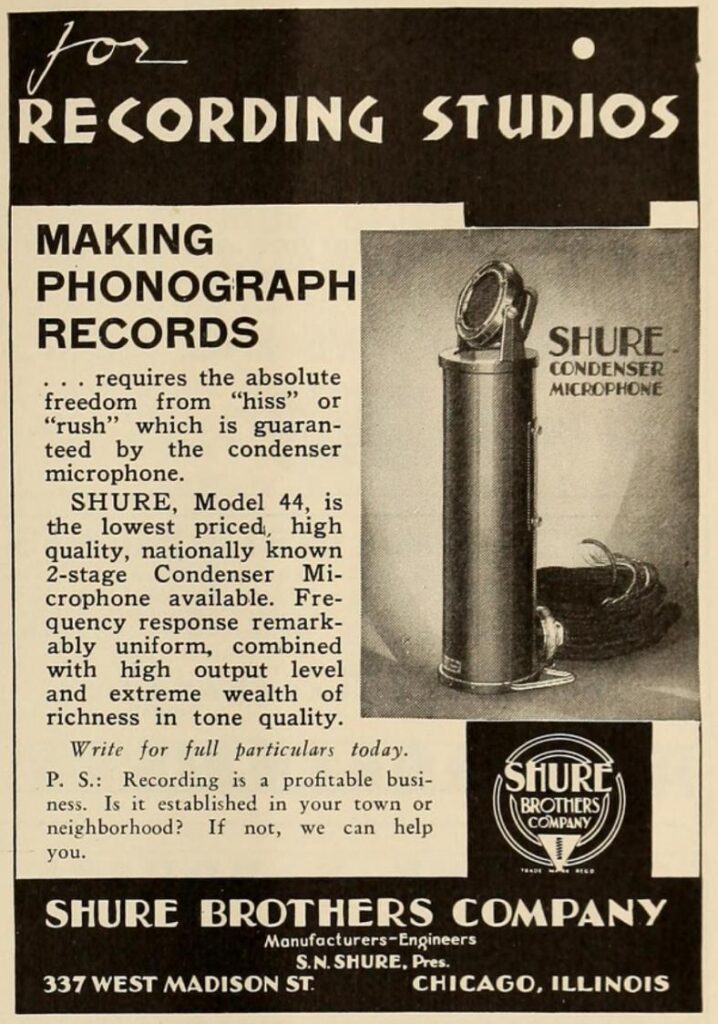
Shure Brothers Company offered its first Shure-branded microphones in 1932, developed for the electrical recording market. Below is an early print ad for the Model 44 condenser mic.
***
It will come as no surprise to Tech Tip readers that the equipment and techniques for electrical recording were developed at Bell Labs.
***
At first, record labels distrusted commercial radio as it was giving away music for free – radio and recording microphones were the enemy. However, declining record sales forced the labels to change their tune because songs heard on the radio drove up record sales. After learning of the new Columbia electrical recording studio, Victor, Columbia’s rival, installed a similar system. Columbia and Victor agreed to keep the new recording method secret for most of 1925. November of that year was the date for the public reveal of this new technology.
***
This is Tech Tip #581, so let’s look back at the directional Model 581SA and 581SB moving coil microphones. [S = switch; A = high impedance; B = low impedance] Introduced in 1965 with a U.S. list price of $52 ($520 in 2025 currency), the Model 581 Series Unidyne A Microphones are moving coil dynamic units built to provide excellent reproduction of music and voice and to feature an exceptionally good unidirectional microphone pickup pattern. The grille was stainless steel; the handle was painted gray.
With its “clunky” industrial design and the antiquated Amphenol connector, it never sold well. The Model 581 had a very short life.